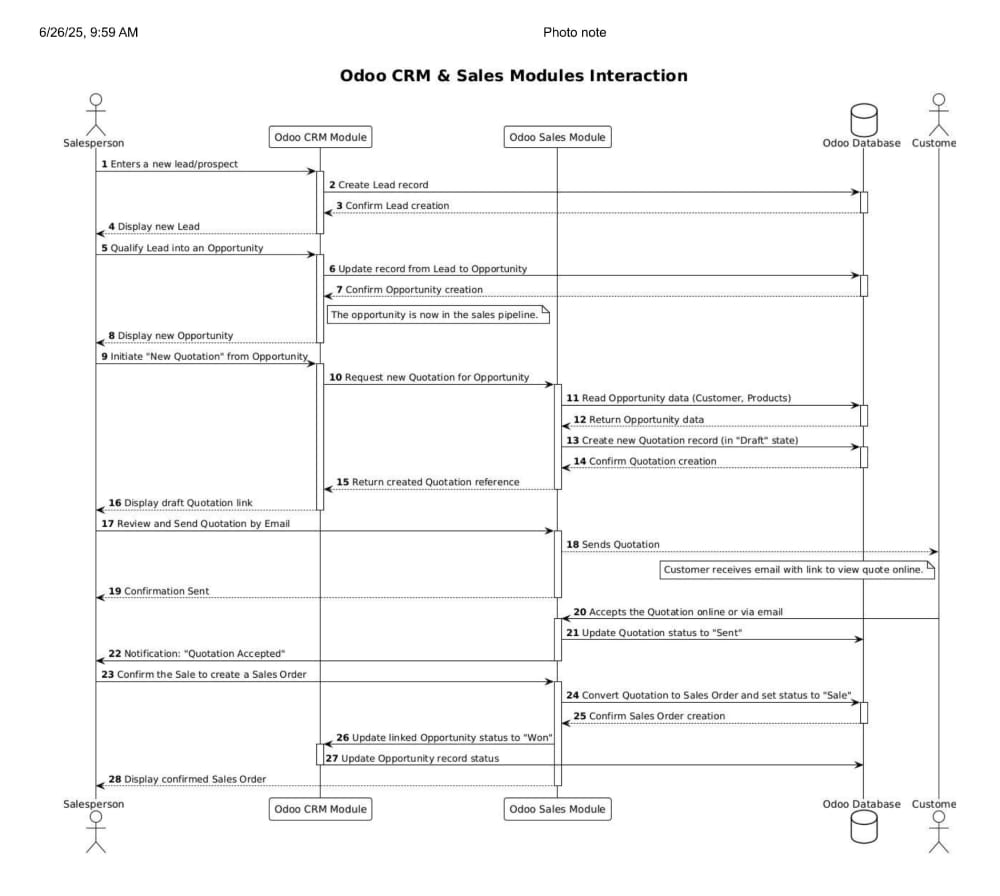
What Are the Benefits of Working With Odoo ERP Certified Partner Bista Solutions in 2025?

Odoo ERP business benefits

Choosing an ERP partner can shape the future of your business. Most companies struggle with software rollouts that stall or never deliver real change. But here is the surprising part. Bista Solutions has managed over 350 successful Odoo ERP implementations worldwide and supports clients 24/7. The real advantage is not just technical know-how. It is the long-term partnership and custom strategy that fuel measurable results for manufacturers and mid-size firms.

Table of Contents

Quick Summary

To help readers quickly understand the distinct advantages of partnering with Bista Solutions as an Odoo ERP certified partner, the table below summarizes the key benefits highlighted throughout the article.

Benefit Description
Expert Implementation Specialized knowledge and strategies that ensure Odoo ERP aligns with unique business requirements
24/7 Comprehensive Support Ongoing, around-the-clock support minimizes disruptions and ensures continuous system optimization
Proven Track Record Over 350 successful implementations worldwide and recognition as Odoo Best Partner across North America
Customized Solutions for Manufacturers Tailored ERP solutions that optimize production, inventory, and supply chains for manufacturing businesses
Scalable Solutions for Mid-Size Companies Flexible and adaptive ERP environments that support business growth and changing operational needs
Long-Term Strategic Partnership Focus on building an ongoing relationship that delivers continuous innovation and business transformation
Tangible Business Results Measurable outcomes such as cost reduction, productivity gains, improved decision making, and accelerated growth
Takeaway Explanation
Choose Bista Solutions for Expert ERP Implementation Bista Solutions offers specialized knowledge and customized strategies for effective Odoo ERP deployment that align with unique business needs.
Benefit from Comprehensive 24/7 Support Their ongoing support ensures continuous system optimization and minimal disruptions, enhancing operational efficiency and adaptability.
Establish a Long-Term Technology Partnership Partnering with Bista Solutions transforms your ERP journey into a strategic collaboration aimed at your continuous digital advancement.
Experience Tailored Manufacturing Solutions Bista’s precision-driven ERP implementations help manufacturers optimize processes, reduce waste, and enhance productivity in a competitive market.
Achieve Significant Business Transformation Their solutions lead to measurable improvements in operational costs, productivity, and decision-making, fostering sustainable growth for mid-size firms.

Why Choose an Odoo ERP Certified Partner for Your Business

Selecting the right Odoo ERP partner can transform your business operations and drive significant growth. When you work with a certified partner like Bista Solutions, you gain access to specialized expertise that goes far beyond basic software implementation.

Expert Implementation and Strategic Guidance

Choosing an Odoo ERP certified partner means you are not just purchasing software but investing in a comprehensive business transformation strategy. Certified partners like Bista Solutions bring deep technical knowledge and industry-specific insights that ensure your ERP solution is precisely tailored to your unique business requirements. These professionals understand how to map complex business processes, configure modules strategically, and create integrated solutions that address your specific operational challenges.

With over 350 successful global ERP implementations, Bista Solutions demonstrates an unparalleled ability to translate technical capabilities into tangible business value. Their team of 300+ ERP resources includes developers, functional consultants, and technical experts who can seamlessly navigate the intricate landscape of enterprise resource planning.

Comprehensive Support and Continuous Optimization

Beyond initial implementation, an Odoo ERP certified partner provides ongoing support that ensures your system remains efficient and aligned with your evolving business needs. Bista Solutions offers comprehensive support across North America with 24/7 availability through their offshore teams. This means you receive dedicated assistance at any time, minimizing potential disruptions and maintaining continuous operational momentum.

Their approach goes beyond traditional technical support. By understanding complex business workflows, they help you continuously optimize your ERP system, identify potential improvements, and leverage new features that can drive competitive advantage. This proactive strategy transforms your ERP from a mere software tool into a dynamic business enhancement platform.

Long-Term Partnership and Strategic Value

Working with an Odoo ERP certified partner is fundamentally about establishing a long-term strategic relationship. Bista Solutions, recognized as the Odoo Best Partner across North America multiple times, brings credibility and proven track record to your digital transformation journey. Their consistent recognition reflects not just technical proficiency but a commitment to delivering exceptional value.

As a Gold Partner, they have demonstrated exceptional capabilities in implementing scalable, innovative solutions that are specifically tailored to meet unique business requirements. This means you are not just getting a software implementation but a strategic technology partner who understands your industry’s nuances and can help you leverage ERP technology to achieve significant business objectives.

By choosing a certified Odoo ERP partner like Bista Solutions, you are making a strategic investment in your business’s technological infrastructure. You gain access to expertise, continuous support, and a partnership dedicated to driving your operational excellence and digital transformation.

Key Benefits of Working With Bista Solutions in the USA

Bista Solutions stands out as a premier Odoo ERP implementation partner in the United States, offering unique advantages that transform how businesses approach enterprise resource planning. Their commitment to excellence and deep understanding of technological solutions make them an exceptional choice for organizations seeking robust ERP implementations.

Proven Track Record of Success

With over 350 successful global ERP implementations, Bista Solutions demonstrates an extraordinary capability to deliver complex technological solutions across diverse industries. Their team of 300+ ERP resources includes dedicated developers, functional consultants, and technical experts who bring comprehensive knowledge to every project. As a recognized Odoo Gold Partner awarded multiple times across North America, they have consistently proven their ability to create scalable, innovative solutions tailored to specific business requirements.

The company’s impressive recognition as Odoo Best Partner across multiple years highlights their consistent performance and commitment to technological excellence. This track record is not just about implementing software but about creating strategic technological partnerships that drive meaningful business transformation.

Comprehensive and Customized Support Ecosystem

Bista Solutions offers an unparalleled support ecosystem designed to meet the complex needs of modern businesses. Their 24/7 support availability through onshore and offshore teams ensures that businesses receive immediate assistance whenever challenges arise. This comprehensive approach goes beyond traditional technical support by exploring advanced analytics strategies that help organizations make data-driven decisions.

Their implementation strategy focuses on understanding each client’s unique operational landscape. By mapping intricate business processes and configuring Odoo ERP modules strategically, they create solutions that are not just technologically sound but also perfectly aligned with specific business objectives. This personalized approach ensures that the ERP system becomes a true enabler of organizational efficiency and growth.

Strategic Long-Term Technology Partnership

Choosing Bista Solutions means investing in more than just an ERP implementation. It means establishing a strategic technology partnership committed to your ongoing digital transformation. Their team does not simply deploy software but works closely with clients to continuously optimize systems, identify improvement opportunities, and leverage emerging technologies.

As a Gold Partner with deep industry expertise, Bista Solutions understands that successful ERP implementation is an evolving journey. They provide continuous guidance, helping businesses adapt their technological infrastructure to changing market demands. This forward-thinking approach ensures that your ERP system remains a dynamic tool for operational excellence rather than a static technological solution.

By selecting Bista Solutions as your Odoo ERP partner, you are choosing a team dedicated to translating technological capabilities into tangible business value. Their proven methodology, comprehensive support, and commitment to innovation make them an ideal partner for businesses seeking to optimize their operational performance through advanced ERP solutions.

Real Results for Manufacturers and Mid-Size Companies

Manufacturers and mid-size companies face unique technological challenges that require sophisticated yet adaptable enterprise resource planning solutions. Bista Solutions has consistently demonstrated an exceptional ability to deliver transformative Odoo ERP implementations specifically tailored to these complex business environments.

Precision-Driven Manufacturing Solutions

For manufacturing businesses, technological efficiency is not just an advantage but a critical requirement for survival and growth. Bista Solutions understands this fundamental need, offering Odoo ERP implementations that go beyond standard software deployment. Their approach focuses on creating integrated systems that address the intricate workflows specific to manufacturing operations.

By mapping precise manufacturing processes, they help businesses optimize production scheduling, inventory management, quality control, and supply chain operations. Their implementation strategy considers every nuanced requirement, from tracking raw material usage to managing complex production sequences. This granular approach ensures that manufacturers can reduce operational waste, improve productivity, and maintain competitive edge in increasingly dynamic market conditions.
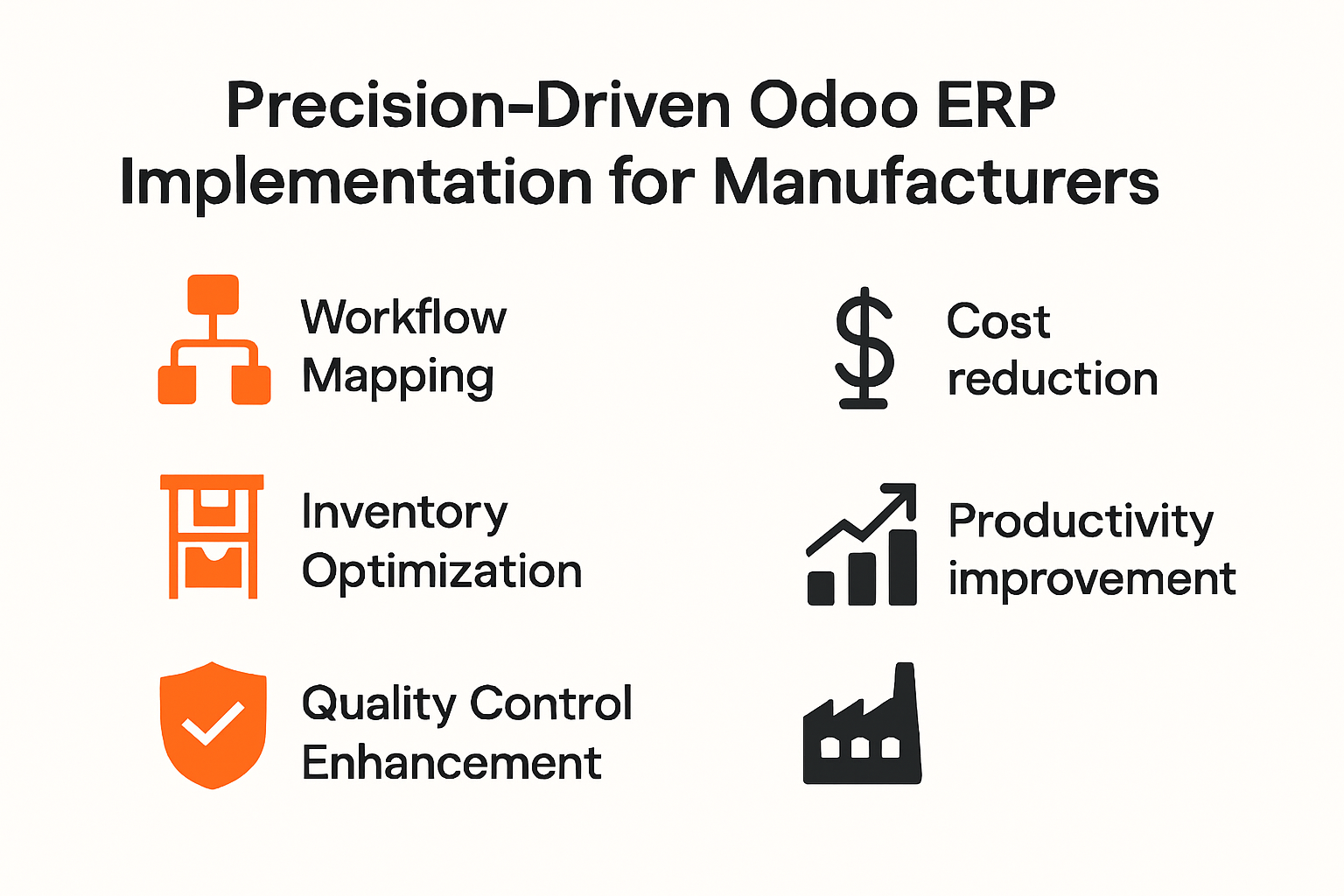
Infographic showing Odoo ERP benefits for manufacturers

Scalable Technology for Mid-Size Business Growth

Mid-size companies require flexible technological solutions that can scale alongside their evolving business needs. Bista Solutions provides Odoo ERP implementations that are not just technologically robust but strategically designed to support continuous business expansion. Explore advanced business scaling strategies that can transform your operational capabilities.

Their expertise lies in creating customized ERP environments that adapt to unique business models. Whether it is integrating multiple departments, streamlining financial reporting, or creating comprehensive customer relationship management systems, Bista Solutions ensures that mid-size companies have access to enterprise-grade technological capabilities without prohibitive implementation costs.

Tangible Business Transformation

The following table outlines the ways Bista Solutions supports both manufacturers and mid-size businesses, making it easy to compare their tailored approaches based on specific business needs.

Business Type Key Challenges Addressed Focus Areas in ERP Implementation Results Delivered
Manufacturers Complex production and inventory processes Production scheduling, supply chain, quality control Reduced waste, improved productivity, process optimization
Mid-Size Companies Need for scalable, flexible solutions Departmental integration, reporting, CRM Enhanced visibility, business scalability, lower costs

The real value of Bista Solutions’ Odoo ERP implementations is best understood through tangible business outcomes. By leveraging their deep technological expertise and industry-specific knowledge, they help businesses achieve significant operational improvements. Their implementations consistently demonstrate measurable benefits such as reduced operational costs, enhanced productivity, improved decision-making capabilities, and accelerated business growth.

For manufacturing companies, this might translate to more accurate production forecasting, reduced inventory carrying costs, and improved resource allocation. Mid-size businesses often experience enhanced visibility into their operations, more efficient cross-departmental communication, and the ability to make data-driven strategic decisions quickly.

Choosing Bista Solutions means selecting a partner committed to your technological transformation. Their proven track record of successful implementations across diverse industries demonstrates their ability to deliver not just software solutions, but comprehensive business enhancement strategies. By understanding the unique challenges of manufacturers and mid-size companies, they create Odoo ERP implementations that serve as powerful catalysts for sustainable business growth.
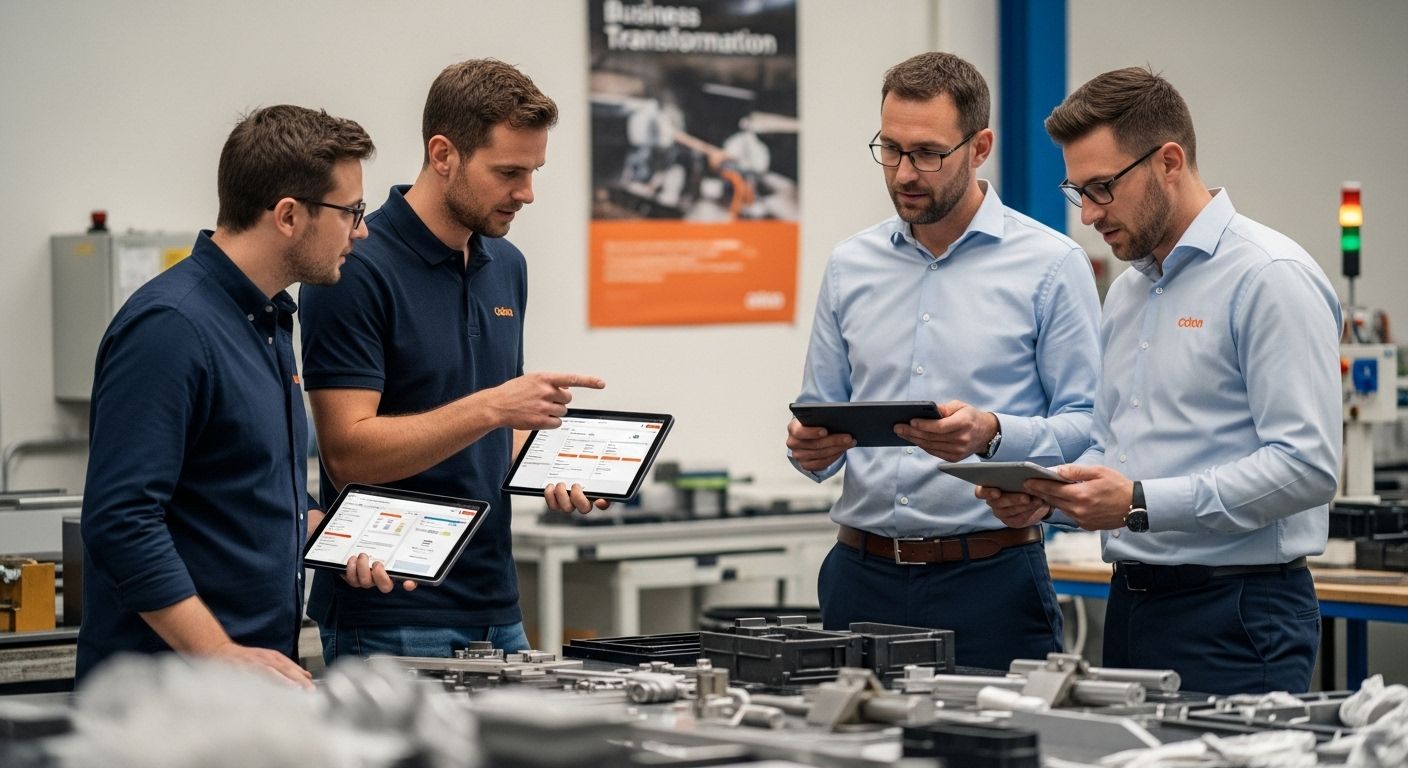
ERP business transformation manufacturing

Frequently Asked Questions

What are the main benefits of partnering with Bista Solutions for Odoo ERP?

Bista Solutions offers expert implementation, comprehensive 24/7 support, and a proven track record of successful ERP implementations, ensuring a long-term partnership that drives business transformation.

How does Bista Solutions ensure the Odoo ERP system is tailored to my business needs?

Bista Solutions conducts thorough assessments of unique business requirements and maps complex processes to configure Odoo ERP modules strategically, creating customized solutions for optimal efficiency.

What type of support does Bista Solutions provide after implementing Odoo ERP?

They provide ongoing 24/7 support through dedicated onshore and offshore teams, helping to optimize your ERP system continuously and address any issues that may arise, ensuring minimal disruptions to operations.

Why is it advantageous to work with a certified Odoo ERP partner like Bista Solutions?

Working with a certified partner like Bista Solutions delivers not just technical expertise, but also a strategic long-term relationship focused on continuous improvement and leveraging technology for sustainable business growth.

Ready to Transform Your Business With an Award-Winning Odoo ERP Partner?

Many companies face stalled technology projects and a lack of real results when choosing an ERP partner. In the article above, we explored how certified expertise, round-the-clock support, and tailored strategies lead to measurable change. If you need custom solutions for complex workflows or demand 24/7 reliability, partnering with the largest Odoo ERP implementer in North America is your next step. Discover how our proven approach can address your unique pain points and fuel long-term growth.


    Do not settle for generic software rollouts that do not fit your business. Take action now and connect with our team to see how our end-to-end ERP, BPM, and CRM solutions can help you achieve operational excellence. Reach one of our experts today through our contact page for a consultation and start turning strategy into real business results. For more insights on aligning technology to your goals, visit Best ERP for Your Business.
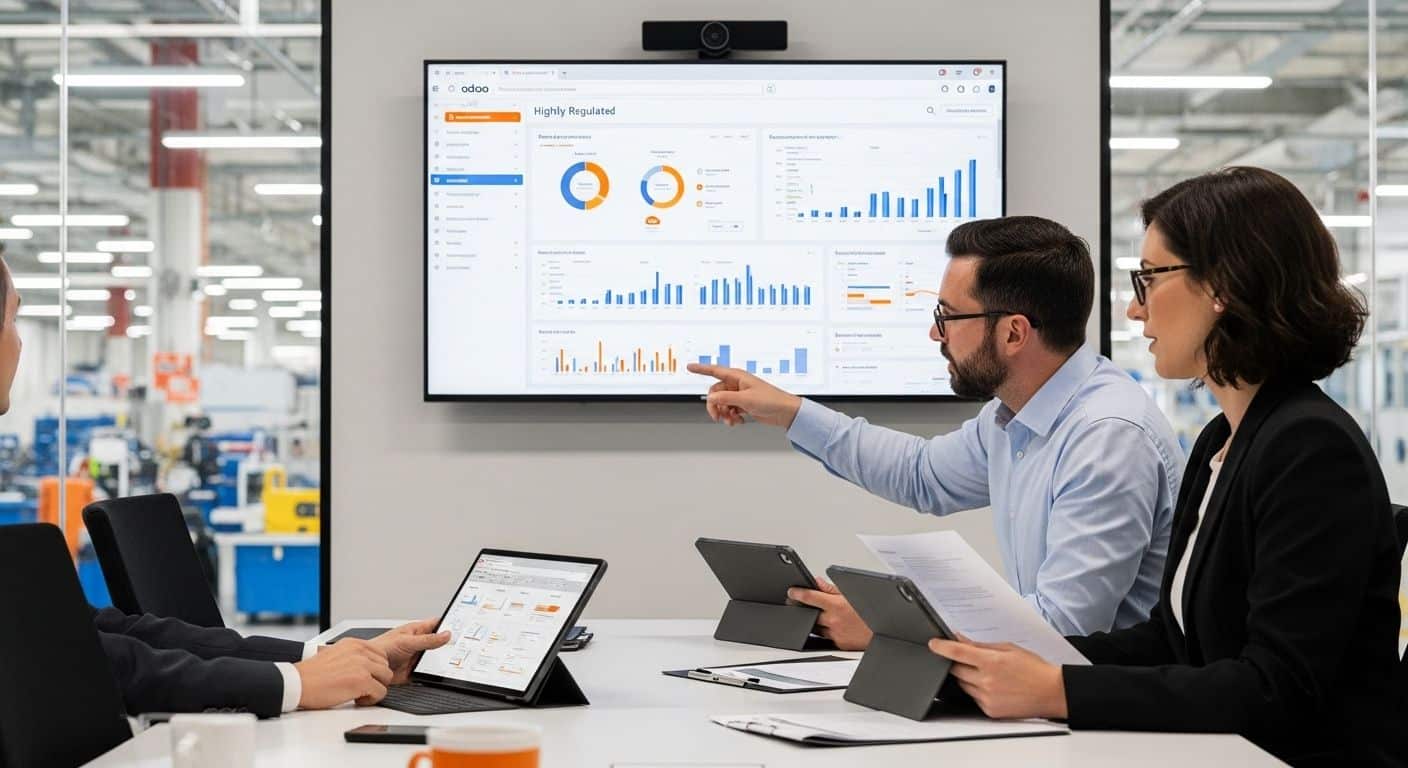
    How Odoo ERP System Supports Compliance in Highly Regulated Industries

    Odoo ERP compliance
    • by Uzlifat Mir
    • Aug 11, 2025
    • 0
    • Category:

    Compliance in manufacturing is a constant headache for US businesses, with penalties for regulatory failures reaching millions of dollars and risking total shutdown. Most companies scramble to keep pace with ever-changing rules, wrestling with piles of documentation and strict reporting deadlines. What few realize is that a tool like Odoo ERP doesn’t just help you meet requirements, it can actually turn compliance into a business advantage.

    Table of Contents

    Quick Summary

    Takeaway Explanation
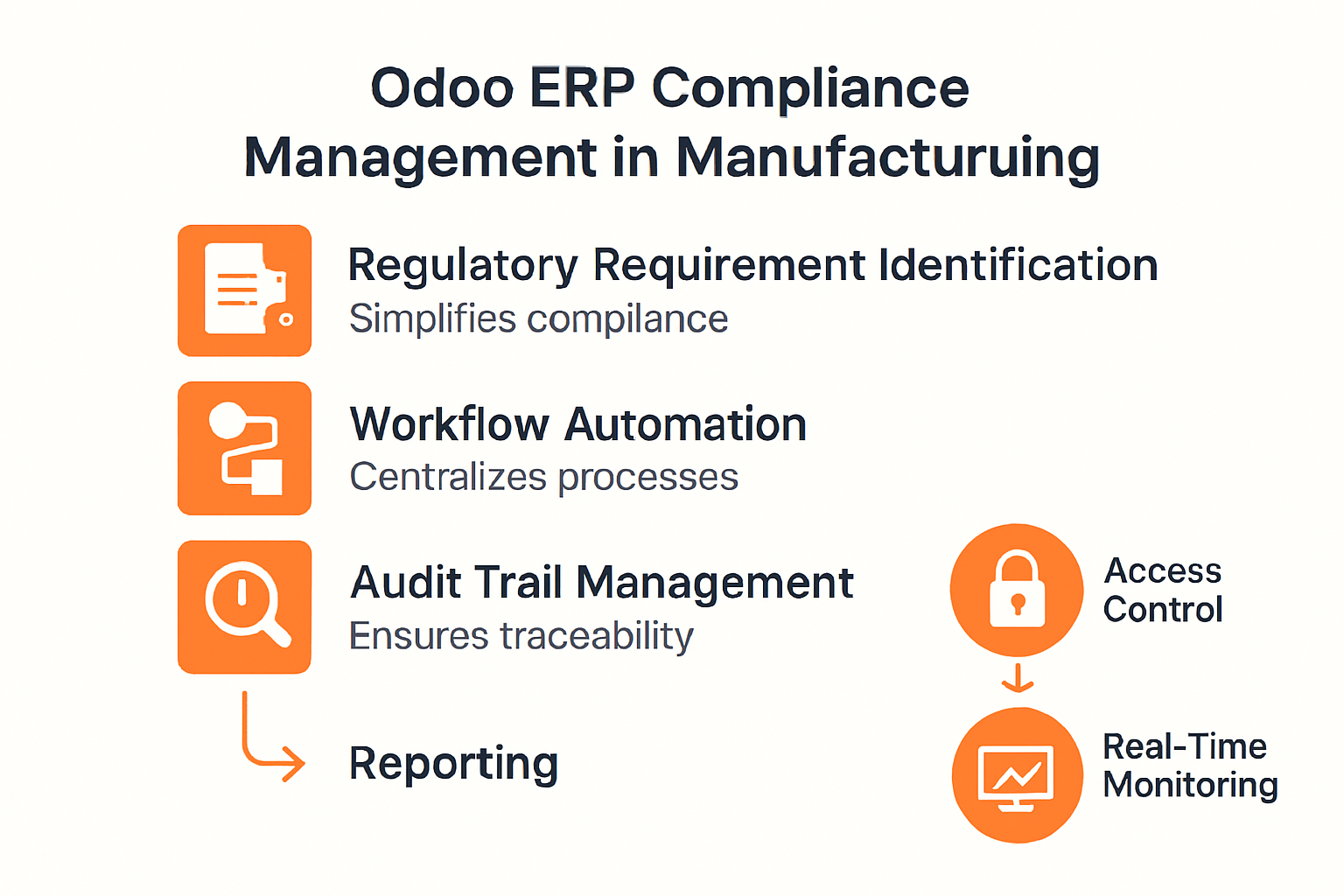
    Odoo ERP simplifies compliance management Odoo centralizes regulatory documentation and automates reporting, simplifying compliance tracking for manufacturers.
    Robust data security features ensure compliance Odoo provides role-based access controls and encryption, protecting sensitive data and meeting regulatory standards.
    Real-time reporting identifies compliance risks early The system offers automated compliance reports and dashboards that help proactively address potential issues before they escalate.
    Custom implementation meets industry-specific needs Tailored configurations of Odoo ERP ensure alignment with unique regulatory requirements in different manufacturing sectors.
    Training and support maximize user adoption Effective training sessions and ongoing support are crucial for leveraging Odoo ERP’s features and ensuring successful implementation.

    Compliance Challenges for US Manufacturing Businesses

    Manufacturing businesses in the United States face increasingly complex compliance requirements that demand sophisticated technological solutions. The regulatory landscape has transformed dramatically, presenting multifaceted challenges that require strategic technological interventions.

    US manufacturing businesses encounter an intricate web of regulatory mandates across multiple domains. Quality control standards, cybersecurity protocols, data protection regulations, and industry specific requirements create significant operational complexity. Companies must track numerous regulations from agencies like FDA, OSHA, EPA, and industry specific bodies that impose strict reporting and documentation standards.

    The financial and operational risks associated with non compliance are substantial. Penalties can range from substantial monetary fines to complete operational shutdowns. Small and medium manufacturing enterprises often struggle with maintaining comprehensive compliance tracking systems that can effectively monitor and adapt to evolving regulatory frameworks.

    Technology as a Compliance Management Solution

    Enterprise resource planning systems like advanced compliance management solutions have emerged as critical tools for addressing these complex challenges. Modern ERP platforms provide integrated approaches that centralize compliance documentation, automate reporting processes, and create real time visibility into regulatory adherence.

    Odoo ERP systems specifically offer comprehensive features that help manufacturers develop robust compliance strategies. These systems enable businesses to implement standardized processes, maintain detailed audit trails, and generate accurate compliance reports with minimal manual intervention. By leveraging advanced technological capabilities, manufacturers can transform compliance from a potential liability into a strategic organizational advantage.

    Data Security and Regulatory Documentation

    Manufacturing businesses must manage extensive documentation that demonstrates ongoing regulatory compliance. This requires sophisticated data management capabilities that ensure information accuracy, accessibility, and security. Cybersecurity regulations demand rigorous protection of sensitive operational and customer data, creating additional layers of complexity for manufacturing organizations.

    Odoo ERP systems address these challenges by providing secure, centralized data management platforms. These solutions offer role based access controls, encryption protocols, and comprehensive audit logging mechanisms. Manufacturers can confidently track and manage sensitive information while maintaining strict adherence to industry specific regulatory requirements.

    Bista Solutions understands the intricate compliance landscape facing US manufacturing businesses. Our Odoo ERP implementation strategies are designed to transform regulatory challenges into operational opportunities, helping businesses stay ahead of complex compliance requirements while maintaining operational efficiency and competitive advantage.

    Odoo ERP Features for Regulatory Compliance

    Odoo ERP provides sophisticated features designed to help businesses navigate complex regulatory requirements with precision and confidence. The system architecture enables comprehensive compliance management across multiple operational domains, transforming regulatory challenges into strategic opportunities.

    To help readers quickly grasp the most important features Odoo ERP offers for compliance in manufacturing, here’s a summary table outlining each key feature and its main purpose.

    Odoo ERP Feature Purpose/Benefit
    Integrated Documentation & Audit Trails Maintains transparent records for regulatory inspections
    Advanced Access Controls & Data Protection Restricts sensitive data access and ensures security compliance
    Real-Time Compliance Reporting & Monitoring Automates reports and dashboards for proactive risk management
    Custom Implementation Aligns ERP features to specific industry regulations
    Training & Continuous Support Maximizes user adoption and long-term compliance success

    Integrated Documentation and Audit Trail Management

    One of the most critical compliance features in Odoo ERP is its robust documentation and audit trail capabilities. The system automatically generates detailed logs of all business transactions, user activities, and system modifications. This creates an immutable record that supports transparency and accountability.

    Manufacturers can track every change made within the system, including timestamps, user identifications, and specific modifications. These comprehensive audit trails are essential for demonstrating compliance during regulatory inspections. By maintaining granular documentation, businesses can quickly respond to auditor requests and provide evidence of their adherence to industry standards.

    Advanced Access Control and Data Protection

    Odoo ERP implements sophisticated access control mechanisms that align with stringent regulatory requirements. Learn more about our advanced compliance solutions that enable organizations to implement role based permissions, ensuring that sensitive information is accessible only to authorized personnel.

    The system provides multi level security protocols that allow businesses to:

    • Restrict User Access: Define precise user roles and permissions
    • Implement Encryption: Protect sensitive data through advanced encryption techniques
    • Monitor User Activities: Track and log all system interactions for comprehensive security management

    These features are particularly crucial in highly regulated industries where data privacy and protection are paramount. By providing granular control over information access, Odoo ERP helps businesses maintain compliance with complex regulatory frameworks.

    Visual flowchart of Odoo ERP compliance management process

    Real Time Compliance Reporting and Monitoring

    Odoo ERP offers powerful reporting tools that enable businesses to generate comprehensive compliance reports with minimal manual intervention. The system can automatically compile data from various modules, creating detailed insights into regulatory adherence.

    Bista Solutions has developed custom reporting features that allow manufacturers to:

    • Generate automated compliance reports
    • Create customizable dashboards tracking key regulatory metrics
    • Set up automatic alerts for potential compliance deviations
    • Integrate multiple regulatory standards into a unified reporting framework

    The reporting capabilities extend beyond simple data compilation. Intelligent analytics help businesses proactively identify potential compliance risks before they become significant issues. This predictive approach transforms compliance from a reactive task to a strategic business function.

    By leveraging Odoo ERP’s comprehensive compliance features, manufacturing businesses can build resilient, adaptable systems that not only meet current regulatory requirements but also anticipate future challenges. Bista Solutions specializes in tailoring these advanced features to meet the unique needs of each organization, ensuring that compliance becomes a competitive advantage rather than a burden.

    Benefits of Odoo ERP for Auto Parts and Equipment Industries

    Auto parts and equipment manufacturers operate in an environment of intense regulatory scrutiny and rapid technological transformation. Odoo ERP emerges as a comprehensive solution that addresses the complex operational challenges specific to these industries, providing robust tools for compliance, efficiency, and strategic growth.

    Precision Inventory and Supply Chain Management

    The auto parts and equipment industries demand exceptional inventory precision and supply chain transparency. Odoo ERP provides advanced tracking mechanisms that enable manufacturers to monitor component lifecycles, manage complex supplier relationships, and maintain real-time visibility into inventory levels.

    Key inventory management capabilities include:

    • Automated stock tracking across multiple warehouses
    • Real-time component traceability
    • Predictive inventory forecasting
    • Seamless integration with vendor management systems

    These features ensure manufacturers can maintain strict quality control standards while optimizing operational efficiency. By providing granular insights into inventory movements, Odoo ERP helps businesses minimize waste, reduce carrying costs, and respond quickly to market demands.

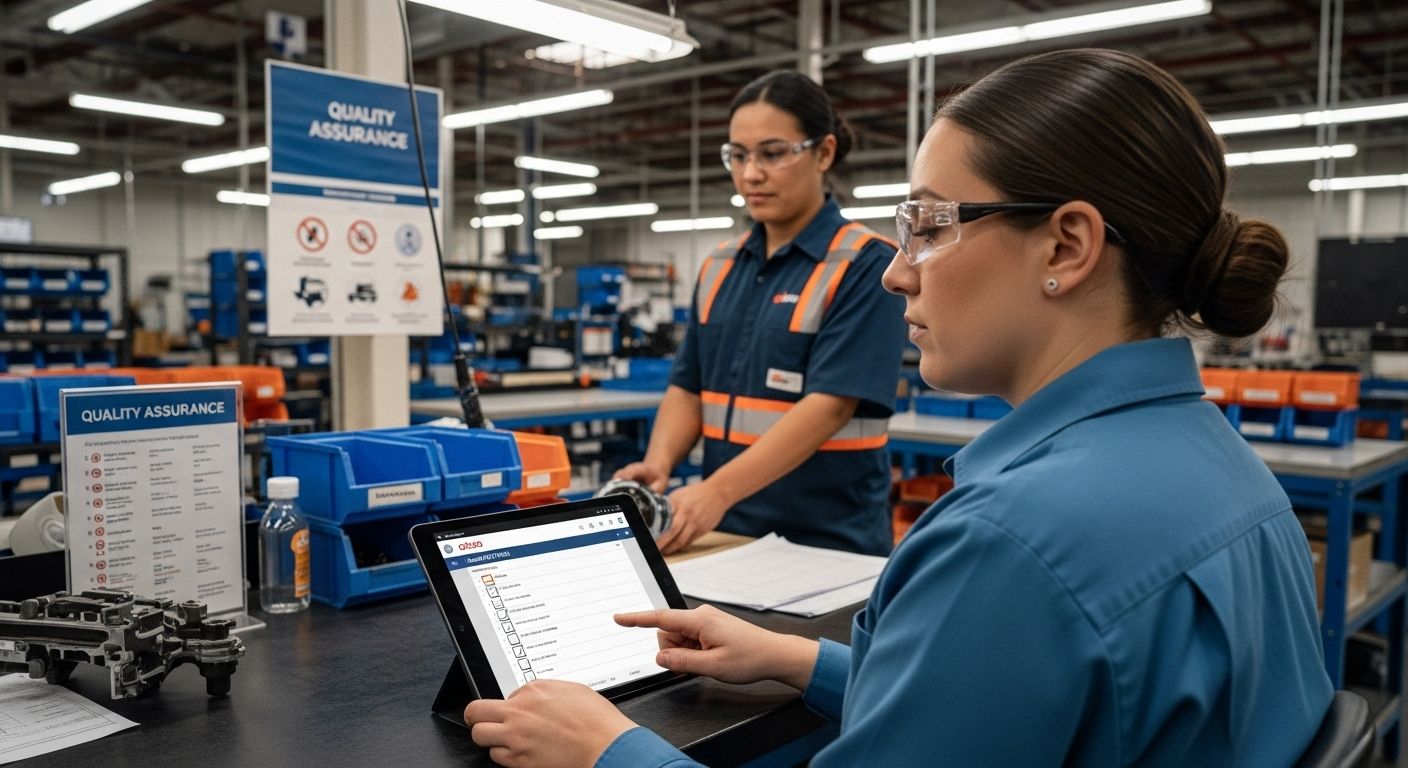
    Regulatory Compliance and Quality Assurance

    Explore our comprehensive electronic repair solutions that demonstrate how technology can transform regulatory challenges into strategic advantages. Auto parts and equipment manufacturers must adhere to numerous industry standards, including safety regulations, environmental guidelines, and technical specifications.

    Odoo ERP addresses these complex requirements through comprehensive compliance tools that:

    • Automate documentation processes
    • Generate detailed audit trails
    • Track quality control metrics
    • Ensure consistent reporting across organizational functions

    The system enables manufacturers to implement standardized quality assurance protocols, reducing the risk of non-compliance and potential legal complications. By centralizing compliance documentation, businesses can quickly respond to regulatory inquiries and demonstrate their commitment to industry standards.

    Advanced Reporting and Analytics

    Modern auto parts and equipment manufacturers require sophisticated analytical capabilities to remain competitive. Odoo ERP delivers powerful reporting tools that transform raw operational data into actionable business intelligence.

    Manufacturers can leverage advanced analytics to:

    • Identify production inefficiencies
    • Predict maintenance requirements
    • Optimize resource allocation
    • Monitor key performance indicators in real-time

    The integrated reporting framework allows businesses to make data-driven decisions, identifying potential improvements and strategic opportunities. By providing comprehensive insights across multiple operational domains, Odoo ERP enables manufacturers to develop proactive management strategies.

    ERP audit trail compliance

    Bista Solutions specializes in customizing Odoo ERP implementations for auto parts and equipment industries. Our expertise ensures that each solution is precisely tailored to meet the unique operational requirements of our clients, transforming technological complexity into a competitive advantage. We understand that compliance is not just about meeting regulations but about creating a robust, adaptable business ecosystem that can thrive in a rapidly evolving industrial landscape.

    Best Practices for Implementing Odoo ERP in Texas

    Implementing an Enterprise Resource Planning system requires strategic planning and precise execution, particularly for manufacturing businesses across Texas. Bista Solutions has developed a comprehensive approach to Odoo ERP implementation that addresses the unique challenges faced by local businesses.

    Strategic Planning and Organizational Assessment

    Successful Odoo ERP implementation begins with a thorough organizational assessment. Texas manufacturers must carefully evaluate their existing operational processes, identifying specific pain points and compliance requirements unique to their industry. This initial diagnostic phase helps businesses create a tailored implementation strategy that aligns technological solutions with specific business objectives.

    Key considerations during the planning phase include:

    • Comprehensive workflow analysis
    • Identification of current system limitations
    • Evaluation of regulatory compliance requirements
    • Assessment of organizational readiness for technological transformation

    For manufacturers in Texas, the process of implementing Odoo ERP involves several strategic phases. The following table organizes the main steps discussed, making it easier to follow the best practices outlined in the article.

    Implementation Step Key Activities & Considerations
    Organizational Assessment Analyze workflows, system limitations, and compliance requirements
    Strategic Planning Develop roadmaps, allocate resources, set milestones
    Customization & Integration Configure modules, ensure system connectivity, align with compliance
    Training Role-based programs, user documentation, hands-on sessions
    Continuous Support Post-launch support, performance optimization, adapting to change

    Businesses must develop a clear roadmap that outlines implementation milestones, resource allocation, and expected outcomes. Learn more about our comprehensive implementation cost strategies to ensure a financially sustainable approach to digital transformation.

    Customization and Integration Strategies

    Odoo ERP implementation in Texas requires a nuanced approach to customization. While the platform offers robust out-of-the-box functionality, successful deployment demands careful configuration to meet specific industry requirements. Manufacturing businesses must focus on:

    • Precise Module Configuration: Tailoring modules to match existing business processes
    • Integration Capabilities: Ensuring seamless connectivity with existing technological ecosystems
    • Scalability: Developing solutions that can adapt to future business growth
    • Compliance Alignment: Configuring systems to meet industry-specific regulatory requirements

    Bista Solutions specializes in creating custom implementations that transform standard ERP functionality into strategic business tools. Our team works closely with Texas manufacturers to develop solutions that go beyond basic system deployment, creating comprehensive technological ecosystems that drive operational excellence.

    Training and Continuous Support

    Implementation success hinges on effective user adoption and ongoing support. Texas businesses must invest in comprehensive training programs that ensure team members can effectively utilize the new ERP system. This involves:

    • Developing role-specific training modules
    • Creating comprehensive user documentation
    • Implementing hands-on training sessions
    • Establishing ongoing support mechanisms

    The implementation process extends far beyond initial system deployment. Continuous support and iterative improvements are crucial for maximizing the value of Odoo ERP. Bista Solutions provides dedicated support teams that help businesses navigate potential challenges, optimize system performance, and continuously adapt to changing business requirements.

    For Texas manufacturers, Odoo ERP implementation represents more than a technological upgrade. It is a strategic transformation that enables businesses to enhance operational efficiency, ensure regulatory compliance, and create a foundation for sustainable growth. Our approach goes beyond traditional implementation, focusing on creating adaptable technological solutions that empower businesses to thrive in a complex and rapidly evolving industrial landscape.

    Frequently Asked Questions

    How can Odoo ERP help with compliance in manufacturing?

    Odoo ERP centralizes regulatory documentation, automates reporting processes, and provides real-time visibility into compliance adherence, making it easier for manufacturers to meet regulatory requirements.

    What features does Odoo ERP offer for data security?

    Odoo ERP provides role-based access controls, encryption protocols, and detailed audit trails to ensure sensitive data is protected and meets industry-specific regulatory standards.

    How does Odoo ERP support real-time compliance monitoring?

    The system automates compliance reporting and creates customizable dashboards that track key regulatory metrics, allowing manufacturers to identify potential compliance risks early.

    What are the benefits of implementing Odoo ERP for highly regulated industries?

    Implementing Odoo ERP allows businesses to streamline compliance processes, enhance data security, improve inventory management, and leverage advanced analytics, turning compliance challenges into strategic advantages.

    Ready to Turn Compliance Headaches Into a Competitive Edge?

    If you are struggling to keep up with complex regulatory requirements and endless documentation, you are not alone. Many manufacturers face serious risks due to manual compliance processes and a lack of real-time transparency. Odoo ERP, highlighted throughout this article, offers integrated documentation, bulletproof audit trails, and powerful reporting tools that help you avoid costly penalties and stay ahead of changing regulations. With proven success across highly regulated industries, our team at Bista Solutions brings deep expertise in custom Odoo ERP deployments designed for operational precision and ongoing compliance.


      Do not wait until the next audit or a compliance error disrupts your business. Contact the largest Odoo Gold Partner in North America for a tailored compliance solution. Talk to our experts today and see how our award-winning implementations and 24/7 support can help your company turn compliance challenges into real business advantages. Secure your peace of mind and stay ahead of the curve with Bista Solutions. Visit us now at https://www.bistasolutions.com/contact-us/.

      Inventory Management Best Practices for US Manufacturing

      factory inventory management best practices

      US manufacturers spend an astonishing over $1 trillion each year on inventory costs alone, and yet many still run into shortages or waste. Surprising, right? Having plenty of stock on hand does not guarantee smooth production or customer satisfaction. The real secret lies in smart inventory management practices that use technology and strategy to keep both costs and delays in check—setting the leaders apart from the rest.

      Table of Contents

      Quick Summary

      Takeaway Explanation
      Maintain Inventory Balance Balance between stock levels and customer demand to avoid production delays and excess costs.
      Leverage Technology Use barcode, RFID, and digital systems for accurate real-time inventory tracking.
      Implement Demand Forecasting Analyze historical data to predict future inventory needs and minimize excess stock.
      Adopt Automated Tracking Solutions Integrate automated systems for efficient inventory management and reduced human error.
      Utilize Predictive Analytics Employ AI for informed inventory decisions, improving efficiency and reducing costs.

      Key Principles of Inventory Management

      Successful inventory management represents the strategic backbone of manufacturing operations. Manufacturers must develop a comprehensive approach that balances precision, efficiency, and cost-effectiveness to maintain optimal inventory levels and drive business performance.

      Understanding Inventory Control Fundamentals

      Inventory management goes beyond simple stock tracking. It involves a complex system of monitoring, analyzing, and optimizing product quantities to meet customer demand while minimizing unnecessary holding costs. For US manufacturers, this means creating a dynamic strategy that responds quickly to market fluctuations and operational requirements.

      The core objective is maintaining the right balance. Too little inventory risks production delays and lost sales opportunities. Conversely, excessive inventory ties up capital, increases storage expenses, and potentially leads to product obsolescence. learn more about advanced inventory strategies with modern ERP solutions like Odoo can help manufacturers navigate these challenges.

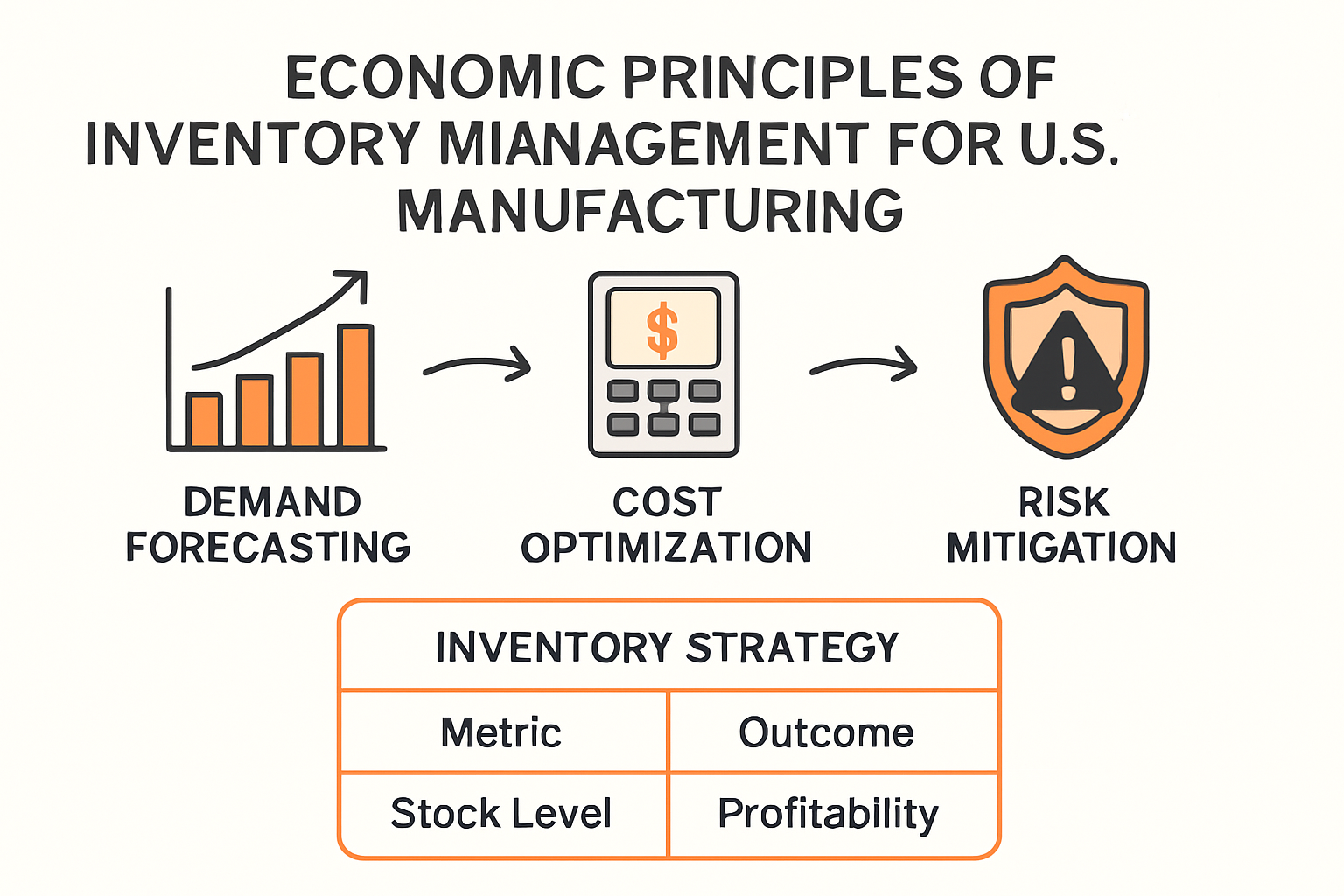
      Economic Principles of Inventory Management

      Economic principles drive effective inventory management practices. Manufacturers must consider several critical factors:

      • Demand Forecasting: Accurate prediction of product requirements based on historical data, seasonal trends, and market analysis.
      • Cost Optimization: Calculating and minimizing total inventory holding costs, including storage, insurance, and potential depreciation.
      • Risk Mitigation: Developing strategies to manage supply chain uncertainties and potential disruptions.

      Implementing these principles requires sophisticated tools and methodologies. Odoo ERP provides comprehensive inventory management modules that enable manufacturers to track real-time stock levels, automate reordering processes, and generate detailed analytical reports.

      Infographic of economic principles of inventory management in manufacturing

      Technology-Driven Inventory Management

      Modern manufacturing relies heavily on technology to implement inventory management best practices. Advanced software solutions enable real-time tracking, predictive analytics, and seamless integration across different business functions. Bista Solutions, as a leading Odoo implementation partner, helps manufacturers leverage cutting-edge technology to transform their inventory management strategies.

      Key technological capabilities include:

      • Automated inventory tracking
      • Intelligent demand forecasting
      • Seamless supplier communication
      • Multi-location inventory management
      • Advanced reporting and analytics

      By embracing these technological innovations, manufacturers can create more responsive, efficient, and data-driven inventory management systems that adapt to changing market conditions and business needs.

      Manufacturers who master these key principles will position themselves for operational excellence, reduced costs, and improved competitive advantage in the dynamic US manufacturing landscape.

      Effective Inventory Tracking Methods

      Inventory tracking represents a critical operational function for US manufacturers, demanding precision, technological integration, and strategic implementation. Manufacturers must develop robust methods that provide real-time visibility, accuracy, and actionable insights into their inventory management processes.

      Barcode and RFID Technology

      Modern inventory tracking relies heavily on advanced technological solutions. Barcode and Radio Frequency Identification (RFID) technologies have transformed how manufacturers monitor and manage their inventory. These systems enable instant product identification, movement tracking, and data collection with unprecedented accuracy.

      Barcode scanning allows manufacturers to track individual items through unique identifiers, recording every movement from warehouse receipt to final distribution. RFID technology takes this a step further by enabling wireless tracking without direct line-of-sight scanning. explore advanced tracking solutions that can revolutionize your inventory management approach.

      Implementing these technologies provides multiple benefits:

      To help readers quickly compare popular inventory tracking technologies mentioned, here’s a summary table of their key features and benefits:

      Technology How It Works Key Benefits
      Barcode Scans item labels using hand-held devices Real-time tracking, minimizes manual errors
      RFID Uses wireless radio waves to identify items, no line-of-sight needed Provides instant updates, automates data collection
      Digital Inventory Management Systems Integrates multiple tracking methods via software platform Offers automation, predictive alerts, advanced analytics
      • Instant Tracking: Real-time location and quantity updates
      • Error Reduction: Minimized manual data entry mistakes
      • Comprehensive Reporting: Detailed movement and stock level insights

      Cycle Counting Strategies

      Cycle counting represents a sophisticated approach to continuous inventory verification. Unlike traditional annual physical inventories that disrupt operations, cycle counting involves regularly scheduled partial inventory checks. This method allows manufacturers to maintain ongoing accuracy without significant operational interruptions.

      Effective cycle counting requires systematic planning. Manufacturers typically categorize inventory items based on value, turnover rate, and criticality. High-value or fast-moving items receive more frequent inspections, ensuring maximum accuracy where it matters most. Odoo ERP provides comprehensive tools that streamline these complex counting processes, enabling manufacturers to implement sophisticated cycle counting strategies with minimal manual intervention.

      Digital Inventory Management Systems

      Digital inventory management systems represent the pinnacle of tracking technology. These comprehensive platforms integrate multiple tracking methods, providing manufacturers with unprecedented visibility and control. Bista Solutions specializes in implementing Odoo ERP systems that offer advanced tracking capabilities across multiple business functions.

      Key features of modern digital inventory management include:

      • Automated stock level monitoring
      • Predictive low-stock alerts
      • Seamless supplier communication
      • Multi-location inventory synchronization
      • Advanced reporting and analytics

      These digital systems transform inventory tracking from a reactive administrative task to a proactive strategic function. By leveraging real-time data and intelligent algorithms, manufacturers can optimize stock levels, reduce holding costs, and improve overall operational efficiency.

      Successful inventory tracking is not about implementing a single method but creating a comprehensive, technology-driven approach that adapts to changing business needs. Manufacturers who invest in advanced tracking technologies position themselves for greater operational excellence and competitive advantage in the dynamic US manufacturing landscape.

      Technology Solutions for Inventory Control

      Technology has revolutionized inventory control for US manufacturers, transforming traditional manual processes into sophisticated, data-driven systems that optimize operational efficiency and strategic decision-making. Modern technology solutions provide unprecedented visibility, accuracy, and control over inventory management processes.

      Enterprise Resource Planning Systems

      Enterprise Resource Planning (ERP) systems represent the cornerstone of advanced inventory control technology. These comprehensive platforms integrate multiple business functions, providing manufacturers with a holistic view of their inventory management. explore comprehensive inventory management solutions that can transform your operational capabilities.

      Odoo ERP stands out as a powerful solution for manufacturers seeking advanced inventory control. The system offers real-time tracking, automated inventory management, and sophisticated reporting capabilities. Key features include:

      • Automated stock level monitoring
      • Multi-location inventory synchronization
      • Intelligent demand forecasting
      • Seamless supplier communication
      • Advanced analytical reporting

      Automated Tracking Technologies

      Cutting-edge tracking technologies have dramatically enhanced inventory control capabilities. Manufacturers now leverage advanced systems that provide instant, accurate inventory insights. Barcode and Radio Frequency Identification (RFID) technologies enable precise tracking of inventory items across complex supply chains.

      Automated tracking technologies offer significant advantages:

      • Real-Time Visibility: Instant location and quantity updates
      • Reduced Human Error: Minimized manual data entry mistakes
      • Enhanced Efficiency: Faster inventory processing and management

      Bista Solutions specializes in implementing these advanced tracking technologies, helping manufacturers transform their inventory control processes through innovative technological solutions.

      Artificial Intelligence and Predictive Analytics

      Below is a summary of technology-driven solutions for inventory control, showing each system’s main advantages and areas of application:

      Solution Type Main Features Benefit to Manufacturers
      ERP Systems (e.g., Odoo) Real-time tracking, supplier integration, advanced analytics Centralized control, improved accuracy
      Automated Tracking (Barcode/RFID) Automated data capture, real-time location tracking Reduces errors, increases efficiency
      AI & Predictive Analytics Demand forecasting, risk identification, smart reordering Proactive management, cost reduction

      Artificial Intelligence (AI) and predictive analytics represent the future of inventory control technology. These advanced systems go beyond traditional tracking, providing intelligent insights and predictive capabilities that enable manufacturers to make proactive inventory management decisions.

      AI-powered inventory management systems can:

      • Predict future inventory requirements
      • Identify potential supply chain disruptions
      • Optimize stock levels based on complex market variables
      • Generate intelligent reordering recommendations

      Odoo ERP incorporates advanced AI capabilities that enable manufacturers to move from reactive to predictive inventory management. By analyzing historical data, market trends, and operational patterns, these systems provide unprecedented insights into inventory optimization.

      The integration of these technology solutions represents a fundamental shift in inventory control. Manufacturers who embrace these advanced technologies gain significant competitive advantages, transforming inventory management from a traditional administrative function to a strategic business driver.

      Successful implementation requires a comprehensive approach that combines technological solutions with strategic planning and continuous improvement. Manufacturers must view technology not as a standalone solution but as an integral part of their overall inventory management strategy.

      Tips for Reducing Inventory Costs

      Reducing inventory costs represents a critical strategic objective for US manufacturers seeking to optimize operational efficiency and maintain competitive advantage. Manufacturers must develop sophisticated approaches that balance inventory requirements with financial prudence, leveraging advanced methodologies and technological solutions.

      Demand Forecasting and Optimization

      Accurate demand forecasting serves as the foundation for reducing inventory costs. Manufacturers must develop robust predictive models that analyze historical data, market trends, and operational patterns to anticipate product requirements with precision. learn about advanced vendor lead time strategies that can significantly impact inventory cost management.

      Odoo ERP provides manufacturers with powerful analytical tools that transform demand forecasting from a reactive to a proactive process. By integrating multiple data sources and utilizing intelligent algorithms, manufacturers can:

      • Predict seasonal demand fluctuations
      • Identify potential inventory surplus risks
      • Generate precise reordering recommendations
      • Minimize unnecessary stock accumulation

      Inventory Optimization Strategies

      Strategic inventory optimization involves implementing targeted approaches that reduce holding costs and improve overall operational efficiency. Manufacturers must develop nuanced strategies that go beyond simple stock reduction, focusing on intelligent inventory management.

      Key optimization strategies include:

      • Just-in-Time (JIT) Inventory: Minimizing stock levels by receiving goods only as they are needed in the production process
      • ABC Inventory Classification: Categorizing inventory items based on their value and strategic importance
      • Vendor Managed Inventory (VMI): Collaborating with suppliers to manage inventory levels more effectively

      Bista Solutions specializes in helping manufacturers implement these sophisticated inventory optimization techniques, leveraging Odoo ERP to create more responsive and cost-effective inventory management systems.

      Technology-Driven Cost Reduction

      Advanced technological solutions play a crucial role in reducing inventory costs. Modern manufacturers can leverage cutting-edge tools and methodologies to minimize financial inefficiencies and optimize inventory management processes.

      Technology-driven cost reduction strategies include:

      • Automated inventory tracking systems
      • Real-time stock level monitoring
      • Predictive analytics for inventory planning
      • Intelligent reordering algorithms
      • Advanced reporting and data visualization tools

      Artificial Intelligence and machine learning technologies enable manufacturers to develop increasingly sophisticated inventory cost management approaches. These systems can analyze complex variables, identify potential cost-saving opportunities, and provide actionable insights that traditional methods cannot detect.

      Successful inventory cost reduction requires a holistic approach that combines strategic planning, technological innovation, and continuous improvement. Manufacturers must view inventory management as a dynamic process that requires ongoing optimization and adaptation.

      By implementing these comprehensive strategies, US manufacturers can transform inventory from a potential financial burden into a strategic asset that drives operational excellence and competitive advantage. The key lies in developing a flexible, technology-enabled approach that balances precision, efficiency, and financial prudence.

      inventory cost reduction discussion

      Frequently Asked Questions

      What are the key principles of effective inventory management for US manufacturers?

      Successful inventory management involves balancing precision, efficiency, and cost-effectiveness. Key principles include understanding inventory control fundamentals, applying economic principles like demand forecasting and cost optimization, and leveraging technology for real-time tracking and predictive analytics.

      How can technology improve inventory management in manufacturing?

      Technology enhances inventory management by enabling real-time tracking, automated systems for inventory control, and advanced reporting capabilities. Solutions like ERP systems, barcode and RFID technologies, and AI-driven predictive analytics help manufacturers optimize their processes and reduce inefficiencies.

      What are some effective inventory tracking methods manufacturers should consider?

      Manufacturers can utilize various tracking methods, including barcode scanning, RFID technology, cycle counting strategies, and digital inventory management systems. These methods provide real-time visibility and help maintain accurate inventory records while streamlining operations.

      How can demand forecasting help reduce inventory costs?

      Demand forecasting is essential for minimizing inventory costs as it allows manufacturers to predict future product needs based on historical data and market trends. By accurately anticipating demand, manufacturers can avoid excess stock, optimize reorder quantities, and improve cash flow.

      Take Control of Your Inventory with Bista Solutions

      Are you frustrated by costly stockouts, excess inventory, or manual tracking errors? The article has outlined how technology-driven inventory management can streamline operations, reduce errors, and keep costs in check. But making the leap from theory to real-world results takes a proven partner. That is where Bista Solutions comes in.


        When you work with Bista Solutions, you get access to the largest Odoo ERP implementation team in North America and decades of combined experience transforming manufacturers just like you. Our Odoo-based solutions tackle issues like inaccurate cycle counting, lack of real-time tracking, and inefficient demand forecasting. Don’t let outdated systems hold your business back. Reach out to our experts today through our contact page and start building an inventory management system that keeps costs low and operations smooth. Take the first step now to achieve true operational excellence.

        Top Cloud ERP Advantages for Manufacturing Businesses

        cloud erp manufacturing

        Manufacturing businesses are racing to keep up as technology shifts faster than ever. Think about this. A cloud ERP can cut operational costs by up to 30 percent while boosting productivity across teams worldwide. It sounds like just another software upgrade, right? Yet the real shake-up is how these platforms break down barriers for even the most traditional plants, letting them work smarter, safer, and on a truly global scale.

        Table of Contents

        Quick Summary

        Takeaway Explanation
        Leverage real-time data for agile decision-making Cloud ERP systems provide instant insights, allowing manufacturers to quickly adapt to demand and operational changes.
        Implement scalable ERP solutions for growth Modular cloud ERP systems grow with your business needs, avoiding large upfront costs linked to traditional systems.
        Enhance collaboration with remote access Cloud ERP enables teams to communicate seamlessly from anywhere, ensuring continuous workflow in distributed environments.
        Enhance data security with advanced features Cloud ERP platforms offer multi-layered security, including encryption and access controls, protecting sensitive data effectively.
        Automate processes to optimize efficiency Cloud ERP reduces manual tasks and improves accuracy through automation, directly enhancing productivity and reducing costs.

        Boosting Efficiency With Cloud ERP Solutions

        Manufacturing businesses face constant pressure to improve operational efficiency and reduce costs. Cloud ERP solutions represent a transformative approach to solving these complex challenges. By leveraging advanced technology, companies can dramatically enhance their operational capabilities and make more informed decisions in real time.

        Real-Time Data Management and Operational Insights

        Cloud ERP systems provide manufacturers with unprecedented visibility into their entire operational ecosystem. These solutions enable businesses to track inventory, monitor production processes, and analyze performance metrics instantly. With intelligent automation insights, companies like those using Odoo ERP can eliminate traditional data silos and create a unified information environment.

        The power of real-time data cannot be overstated. Manufacturers can now respond to changes in demand, supply chain disruptions, or quality control issues within minutes instead of days or weeks. This agility translates directly into competitive advantage. By having immediate access to critical information, production teams can make rapid adjustments, optimize resource allocation, and minimize potential bottlenecks.

        Scalable Technology for Growing Manufacturing Enterprises

        Cloud ERP solutions offer unparalleled scalability that traditional on-premise systems simply cannot match. As manufacturing businesses expand, their technological infrastructure must adapt quickly. Bista Solutions understands this dynamic and provides cloud ERP implementations that grow seamlessly with your organization.

        Scalability means more than just adding user licenses. It encompasses the ability to integrate new modules, connect with emerging technologies, and support increasingly complex business processes. Whether you are a small auto parts manufacturer in Texas or a mid-sized equipment production company, cloud ERP can accommodate your unique operational requirements.

        The modular nature of modern cloud ERP platforms like Odoo allows businesses to add functionality precisely when needed. This approach eliminates massive upfront technology investments and provides a more flexible, cost-effective solution for managing business operations.

        Enhanced Collaboration and Remote Accessibility

        In an era of distributed workforces and global supply chains, cloud ERP solutions break down communication barriers. Team members can access critical business information from anywhere, using any device. This accessibility ensures that production managers, sales teams, and executive leadership remain connected and informed.

        Collaboration features embedded within cloud ERP systems enable seamless communication across departments. Production schedules, inventory levels, and customer orders can be instantly shared and updated. The result is a more responsive, agile manufacturing environment that can quickly adapt to changing market conditions.

        By implementing a robust cloud ERP solution, manufacturing businesses can transform their operational efficiency. The combination of real-time data, scalable technology, and enhanced collaboration creates a powerful platform for growth and innovation. Bista Solutions remains committed to helping manufacturers leverage these technological advances to achieve their strategic objectives.

        Enhanced Data Security and Compliance Benefits

        Data security represents a critical concern for manufacturing businesses in an increasingly complex digital environment. Cloud ERP solutions provide robust mechanisms to protect sensitive information while ensuring comprehensive regulatory compliance across multiple industry standards.

        Advanced Cybersecurity Protection Strategies

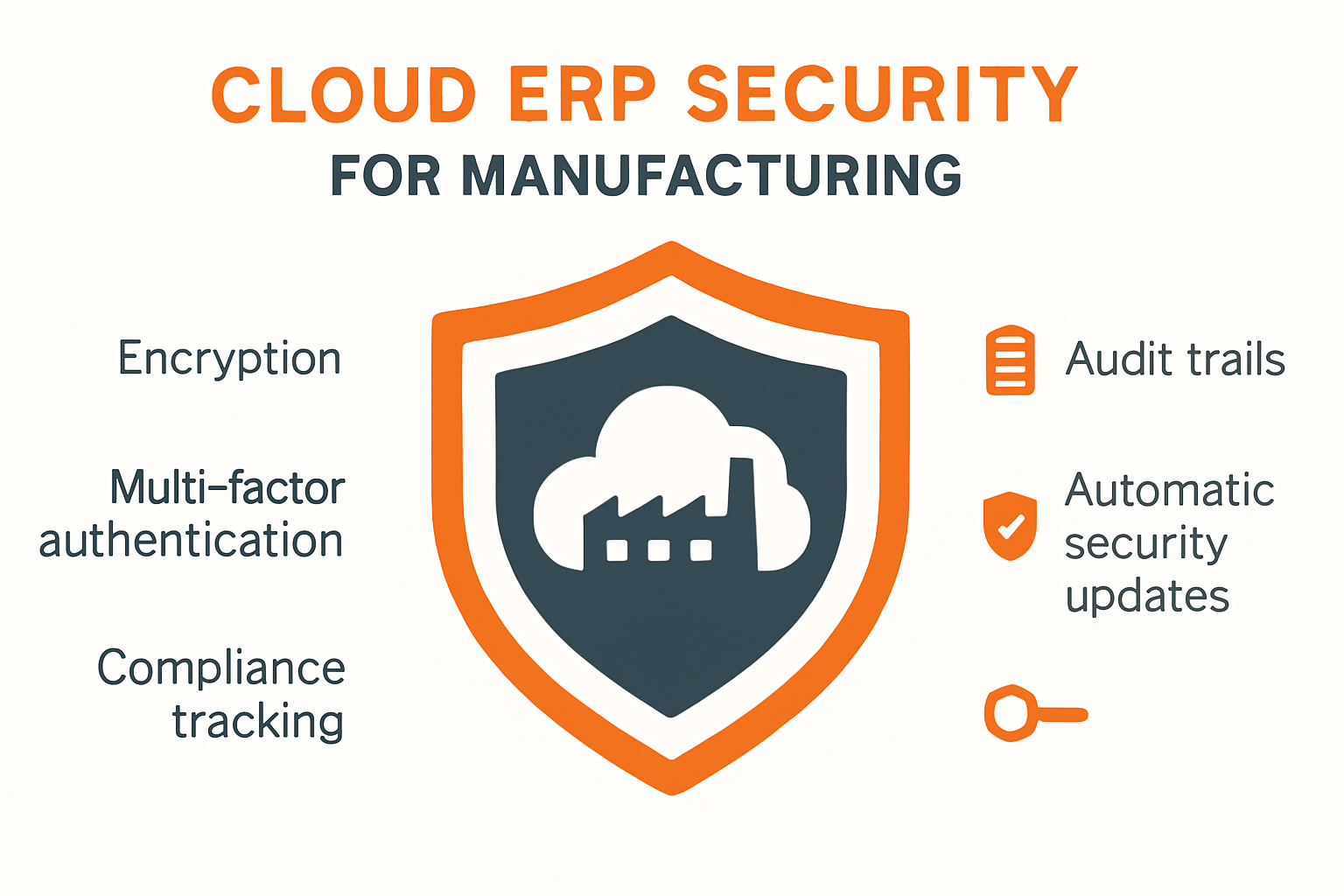
        Cloud ERP platforms like Odoo ERP deliver multi-layered security architectures that significantly reduce potential vulnerabilities. These solutions implement sophisticated encryption protocols that protect data during transmission and storage. Manufacturers can now safeguard critical intellectual property, financial records, and customer information with unprecedented levels of protection.

        Modern cloud ERP systems utilize advanced authentication mechanisms including multi-factor authentication, role-based access controls, and comprehensive user activity monitoring. These features ensure that only authorized personnel can access specific organizational data. Bista Solutions understands the critical nature of data protection and designs implementations with security as a primary consideration.

        infographic showing cloud ERP security and compliance layers

        Comprehensive Regulatory Compliance Management

        Manufacturing businesses must navigate complex regulatory landscapes that demand meticulous documentation and adherence to industry standards. Cloud ERP solutions provide automated compliance tracking and reporting capabilities that dramatically simplify regulatory requirements. learn about enterprise security protocols that can transform your organizational approach to data management.

        Automated compliance features allow businesses to generate precise audit trails, track modifications, and maintain transparent records that meet stringent regulatory requirements. Whether addressing manufacturing quality standards, financial reporting regulations, or industry-specific compliance mandates, cloud ERP systems provide comprehensive documentation capabilities.

        Continuous Security Updates and Risk Mitigation

        Cloud ERP platforms represent dynamic security ecosystems that continuously evolve to address emerging technological threats. Unlike traditional on-premise systems that require manual updates, cloud solutions provide automatic security patches and upgrades. This approach ensures that manufacturing businesses always operate with the most current protective technologies.

        Risk mitigation becomes significantly more straightforward with cloud ERP implementations. Centralized data management allows for rapid identification and resolution of potential security vulnerabilities. Businesses can implement proactive monitoring strategies that detect and neutralize potential threats before they can cause significant damage.

        Bista Solutions recognizes that data security extends beyond technological implementations. Our approach combines cutting-edge technological solutions with strategic advisory services that help manufacturers develop comprehensive security frameworks. By integrating advanced cloud ERP technologies, businesses can create resilient, adaptive security infrastructures that protect critical organizational assets.

        The convergence of advanced security protocols, automated compliance management, and continuous technological updates makes cloud ERP solutions an indispensable tool for modern manufacturing enterprises. As cyber threats become increasingly sophisticated, investing in robust cloud ERP security represents a strategic imperative for businesses seeking to protect their operational integrity and maintain stakeholder trust.

        To illustrate the main security and compliance capabilities discussed, the following table summarizes the distinct benefits of advanced cloud ERP data security features:

        Security Feature Description Benefit
        Multi-layered Security Encryption in transit and storage, plus firewalls Protects sensitive and confidential data
        Multi-factor Authentication Requires multiple credentials for system access Reduces unauthorized access risk
        Role-based Access Controls Grants permissions by user role Ensures appropriate data visibility
        Continuous Security Updates Automatic patches and upgrades Keeps defenses current and proactive
        Automated Compliance Tools Generates audit trails and compliance reports Simplifies regulatory adherence

        Reducing Costs and Scaling Operations Easily

        Manufacturing businesses constantly seek strategies to optimize operational expenses while maintaining flexibility for future growth. Cloud ERP solutions represent a powerful mechanism for achieving these critical objectives, offering unprecedented opportunities to reduce costs and scale operations with remarkable efficiency.

        Eliminating Infrastructure and Maintenance Expenses

        Traditional on-premise ERP systems require substantial upfront investments in hardware, software licenses, and dedicated IT infrastructure. Cloud ERP platforms like Odoo ERP fundamentally transform this economic model by shifting technology expenses from capital expenditures to predictable operational costs. Manufacturers can now access cutting-edge technological capabilities without massive initial investments.

        The cloud model eliminates expensive server maintenance, hardware upgrades, and complex IT support requirements. Businesses can redirect resources previously allocated to technology infrastructure toward core manufacturing activities. explore strategic cost reduction methods that can revolutionize your operational financial strategy.

        By leveraging cloud infrastructure, companies reduce energy consumption, minimize physical storage requirements, and streamline technological management. These efficiencies translate directly into meaningful cost savings across multiple operational dimensions.

        Dynamic Scalability and Resource Optimization

        Cloud ERP solutions provide unparalleled flexibility for manufacturing businesses seeking to adapt quickly to market changes. Companies can seamlessly add or reduce user licenses, integrate new modules, and expand computational resources without significant disruptions. This dynamic scalability ensures that technological infrastructure precisely matches current business requirements.

        Bista Solutions understands that manufacturing enterprises require adaptable technological platforms. Our cloud ERP implementations enable businesses to scale operations horizontally and vertically with minimal friction. Whether experiencing rapid growth or navigating economic uncertainties, manufacturers can adjust their technological footprint rapidly and cost-effectively.

        The modular nature of modern cloud ERP platforms allows businesses to implement functionality incrementally. This approach means companies only invest in capabilities they immediately require, avoiding unnecessary expenses and maintaining financial agility.

        Enhancing Operational Efficiency and Productivity

        Cloud ERP systems generate substantial productivity gains by automating complex business processes and providing real-time operational insights. Manufacturers can optimize resource allocation, reduce manual data entry, and minimize human error through intelligent automation technologies.

        Advanced analytics embedded within cloud ERP platforms enable precise performance tracking and continuous improvement. Production managers can identify bottlenecks, forecast resource requirements, and make data-driven decisions that directly impact operational efficiency. These capabilities translate into tangible cost reductions and enhanced competitive positioning.

        By centralizing data management and creating transparent, accessible information ecosystems, cloud ERP solutions help manufacturers eliminate redundant processes and streamline organizational workflows. The result is a leaner, more responsive operational model that can adapt quickly to changing market demands.

        Bista Solutions remains committed to helping manufacturing businesses leverage cloud ERP technologies as strategic tools for cost reduction and operational excellence. Our comprehensive implementations provide manufacturers with the technological foundation needed to compete effectively in an increasingly dynamic global marketplace.

        The table below summarizes the cost-related advantages of cloud ERP compared to traditional on-premise ERP systems, as discussed in this section:

        Cost Factor Traditional On-Premise ERP Cloud ERP Solution
        Upfront Hardware/Software Costs High Low/None
        Ongoing Maintenance Needs Significant IT resources Managed by provider
        Scalability Expenses Expensive, disruptive Pay-as-you-grow, seamless
        Resource Optimization Rigid, overprovisioned Dynamic, based on demand
        Physical Footprint/Energy Usage Large data center required Minimal, managed in cloud
        Upgrade/Patch Cost & Frequency Infrequent, often delayed Automatic and continuous

        Improving Collaboration for Distributed Teams

        Manufacturing businesses are increasingly embracing distributed workforce models that demand sophisticated technological solutions for seamless communication and collaboration. Cloud ERP systems provide a comprehensive platform that breaks down traditional organizational barriers, enabling teams to work together effectively regardless of physical location.

        Unified Communication and Information Sharing

        Cloud ERP platforms like Odoo ERP create centralized information ecosystems that ensure every team member has access to real-time data. Departments can simultaneously view and update critical information, eliminating communication gaps and reducing potential misunderstandings. Production managers, sales teams, and inventory specialists can collaborate instantaneously, creating a more responsive and agile organizational environment.

        The ability to share documents, track changes, and maintain comprehensive audit trails transforms how manufacturing teams communicate. Team members can annotate reports, assign tasks, and provide immediate feedback without complex email chains or disjointed communication processes. discover advanced collaboration techniques that can revolutionize your team’s productivity and engagement.

        By providing a single source of truth, cloud ERP solutions ensure that all team members work from the same updated information. This approach minimizes errors, reduces redundant work, and accelerates decision-making processes across organizational departments.

        Flexible Access and Remote Work Capabilities

        Modern manufacturing businesses require technological solutions that support flexible work arrangements. Cloud ERP systems enable team members to access critical business information from any device, anywhere in the world. Whether employees are working from home, traveling, or located in different global offices, they can seamlessly connect and contribute to organizational objectives.

        Bista Solutions recognizes that remote work capabilities extend beyond simple data access. Our cloud ERP implementations provide robust security protocols that protect sensitive information while enabling comprehensive collaboration. Role-based access controls ensure that team members only view and modify information relevant to their specific responsibilities.

        The flexibility of cloud ERP platforms allows businesses to maintain productivity regardless of physical constraints. Sales teams can update customer interactions, production managers can monitor manufacturing processes, and finance teams can track financial metrics without being physically present in a central office.

        Enhanced Cross-Functional Collaboration

        Cloud ERP solutions break down traditional departmental silos, creating a more integrated and collaborative organizational culture. Manufacturing businesses can now align different functional areas more effectively, ensuring that production, sales, inventory, and financial teams work towards common strategic objectives.

        Advanced collaboration features allow for real-time project tracking, transparent communication, and streamlined workflow management. Teams can create collaborative spaces, share insights, and develop comprehensive strategies that leverage collective organizational knowledge. This approach transforms how manufacturing businesses approach complex challenges and opportunities.

        By providing tools that facilitate seamless communication and information sharing, cloud ERP systems help businesses create more agile, responsive, and innovative organizational cultures. Bista Solutions remains committed to helping manufacturing enterprises leverage technology to enhance collaboration, drive efficiency, and achieve strategic goals in an increasingly complex business environment.

        The future of manufacturing depends on the ability to connect distributed teams effectively. Cloud ERP solutions represent a critical technological foundation that enables businesses to overcome traditional communication barriers and create more dynamic, collaborative work environments.

        erp collaboration business meeting

        Frequently Asked Questions

        How can cloud ERP solutions boost operational efficiency in manufacturing?

        Cloud ERP solutions enhance operational efficiency by providing real-time data management, which allows manufacturers to track inventory, monitor production processes, and analyze performance metrics instantly. This agility enables quicker adjustments to demand and resource allocation, ultimately improving productivity and reducing costs.

        What are the scalability advantages of cloud ERP for manufacturing businesses?

        Cloud ERP platforms offer unparalleled scalability, allowing manufacturers to add new users, integrate emerging technologies, and support complex business processes as they grow. This modular approach eliminates the need for large upfront investments associated with traditional systems, making it more cost-effective.

        How do cloud ERP systems enhance data security for manufacturers?

        Cloud ERP systems improve data security through multi-layered security architectures, including encryption, role-based access controls, and continuous security updates. These features protect sensitive information and ensure compliance with regulatory standards, safeguarding critical operational and financial data.

        In what ways do cloud ERP solutions facilitate collaboration in distributed manufacturing teams?

        Cloud ERP solutions enable enhanced collaboration by providing unified communication and information sharing across departments. With remote access capabilities, team members can collaboratively manage projects and share real-time data regardless of their physical location, improving responsiveness and agility.

        Ready to Overcome Manufacturing Roadblocks with Advanced Cloud ERP?

        Manufacturing leaders like you face real challenges every day. Delays caused by disconnected teams. Spiraling costs when operations cannot quickly adapt. The worry that your sensitive data and regulatory responsibilities are at risk. This article highlighted how cloud ERP transforms these pain points using real-time data, built-in security tools, and scalable technology. Bista Solutions has helped more than 350 manufacturers modernize with Odoo ERP by uniting collaboration, automation, and compliance in a single, easy-to-use platform. See the difference when industry experts guide your journey.


          Do not let outdated systems slow your growth another day. Take control of your operations and put your company ahead of change. Reach out for a personalized cloud ERP assessment by visiting our Contact Us page. Explore the full impact of intelligent automation in manufacturing by reading about AI-powered ERP solutions. Let Bista Solutions help you turn today’s challenges into tomorrow’s results.

          Business Process Automation for Manufacturing Success in 2025

          Business Process Automation for manufacturing

          Manufacturing leaders are racing to automate every step of production. Efficiency is the big promise and a recent study found that 84 percent of organizations say automation boosts operational efficiency in a big way. Surprise, though. Most folks think robots and fancy machines are the secret. The truth is that success in 2025 is more about smart process mapping and picking the right technology than the hardware itself.

          Table of Contents

          Quick Summary

          Takeaway Explanation
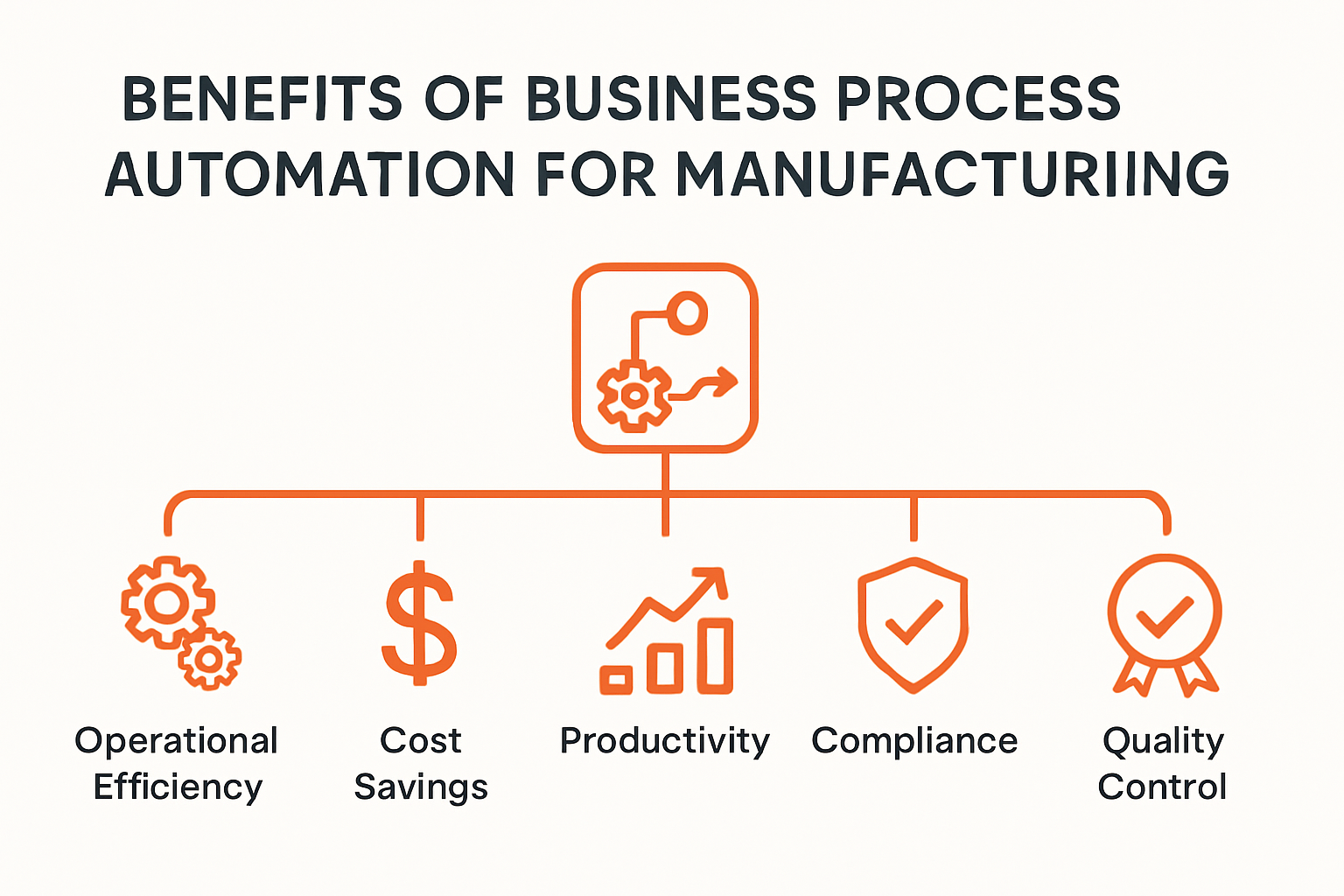
          Automate to Enhance Efficiency Business process automation streamlines workflows, reducing manual intervention and human error, leading to improved operational efficiency.
          Focus on Technology Selection Choosing the right automation tools is crucial, as it aligns technology solutions with specific operational needs and ensures compatibility.
          Implement Gradual Changes Start with pilot testing for automation to validate systems and minimize risks while allowing for adjustments before full deployment.
          Leverage Advanced Technologies Utilize AI and machine learning to develop intelligent automation that continuously optimizes processes and addresses production challenges effectively.
          Drive Cost Reductions Automating processes can significantly lower labor costs, decrease errors, and improve resource utilization, leading to greater financial optimization.

          Understanding Business Process Automation Basics

          Business process automation transforms how manufacturing organizations operate by systematically replacing manual tasks with intelligent technological solutions. At its core, business process automation represents a strategic approach to increasing operational efficiency and reducing human error through technology-driven workflows.

          The Fundamental Concept of Business Process Automation

          Business process automation involves using technology to perform recurring tasks and manage complex operational processes with minimal human intervention. According to IBM, this approach encompasses multiple automation strategies including task automation, workflow automation, and intelligent process management. Manufacturers can leverage these technologies to create more predictable, consistent, and measurable operational outcomes.

          The key objective is not about replacing human workers but empowering them to focus on higher-value strategic activities. By automating repetitive and rule-based tasks, organizations can allocate human resources toward innovation, problem-solving, and critical thinking that technology cannot easily replicate.

          Critical Components and Implementation Strategies

          Successful business process automation requires a structured approach. TechTarget highlights several crucial components for effective implementation. First, organizations must conduct a comprehensive audit of existing processes to identify automation opportunities. This involves mapping current workflows, understanding bottlenecks, and determining which tasks are most suitable for technological intervention.

          Effective implementation strategies typically involve:

          • Process Mapping: Detailed documentation of current operational workflows
          • Technology Selection: Choosing appropriate automation tools aligned with specific manufacturing needs
          • Gradual Rollout: Implementing automation in phases to manage risk and allow organizational adaptation

          The American Productivity & Quality Center reports that 84% of organizations believe automation significantly improves operational efficiency. This statistic underscores the transformative potential of strategic business process automation.

          Technological Foundations and Future Outlook

          Modern business process automation integrates advanced technologies like artificial intelligence, machine learning, and robotic process automation. These technologies enable more sophisticated, adaptive automation solutions that can learn from data, predict potential issues, and continuously optimize operational processes.

          For manufacturers considering automation, the key is to start small, focus on measurable improvements, and gradually expand automation capabilities. Learn more about intelligent automation strategies to understand how advanced technologies can revolutionize manufacturing operations.

          By embracing business process automation, manufacturers can create more agile, responsive, and competitive organizational structures prepared for the complex challenges of modern industrial environments.

          Key Benefits for Manufacturing Companies

          Business process automation offers manufacturing companies a strategic advantage in an increasingly competitive global marketplace. By transforming traditional operational approaches, manufacturers can unlock significant performance improvements and create more resilient, efficient organizational structures.

          Operational Efficiency and Productivity Enhancement

          According to TechTarget, business process automation directly impacts operational efficiency by reducing manual intervention and minimizing human error. Manufacturing companies can expect substantial productivity gains through automated workflows that streamline complex processes.

          Specifically, automation enables manufacturers to:

          • Reduce Processing Time: Eliminate bottlenecks and accelerate task completion
          • Minimize Human Error: Decrease mistakes associated with manual data entry and repetitive tasks
          • Optimize Resource Allocation: Redirect human capital toward strategic innovation and problem-solving

          By implementing intelligent automation strategies, manufacturers create more predictable and consistent operational outcomes. Technology Magazine highlights that companies leveraging business process automation experience significant improvements in overall organizational performance.

          Cost Reduction and Financial Optimization

          Financial benefits represent another critical advantage of business process automation. Manufacturers can achieve substantial cost savings by reducing labor expenses, minimizing waste, and improving resource utilization. The BOC Group research indicates that automation leads to direct and indirect cost reductions across multiple operational domains.

          Key financial benefits include:

          • Lower Labor Costs: Reducing manual labor requirements
          • Decreased Error-Related Expenses: Minimizing costly mistakes and rework
          • Improved Resource Allocation: Optimizing workforce productivity

          These financial optimizations enable manufacturers to reinvest savings into innovation, research, and strategic growth initiatives. Explore our insights on manufacturing ERP solutions to understand how technology can transform financial performance.

          Enhanced Compliance and Quality Control

          Modern manufacturing environments demand rigorous compliance and consistent quality standards. Business process automation provides robust mechanisms for tracking, documenting, and ensuring adherence to industry regulations and internal quality protocols.

          Automation technologies enable manufacturers to:

          • Create comprehensive audit trails
          • Implement real-time monitoring systems
          • Standardize quality control processes
          • Reduce variability in production outcomes

          By integrating advanced automation technologies, manufacturers can develop more transparent, accountable, and high-performing operational ecosystems. The result is not just improved efficiency but a fundamental transformation of how manufacturing organizations approach productivity, quality, and strategic growth.

          As global competition intensifies, business process automation emerges as a critical differentiator for forward-thinking manufacturing companies seeking to optimize their operational capabilities and drive sustainable success.

          Infographic showing benefits of business process automation in manufacturing

          Steps to Automate Manufacturing Processes

          Implementing business process automation in manufacturing requires a strategic and methodical approach. Successful transformation demands careful planning, precise execution, and continuous improvement to ensure technological investments deliver meaningful operational benefits.

          Comprehensive Process Assessment and Analysis

          Rockwell Automation emphasizes the critical first step of conducting a thorough evaluation of existing manufacturing processes. This initial assessment involves mapping current workflows, identifying inefficiencies, and determining which specific tasks are most suitable for automation.

          Key considerations during process assessment include:

          • Complexity of Current Workflows: Analyzing existing operational procedures
          • Repetitive Task Identification: Pinpointing manual processes prone to human error
          • Performance Bottlenecks: Recognizing areas where automation can significantly improve efficiency

          Manufacturers must approach this stage with a strategic mindset, focusing on processes that offer the most significant potential for improvement and cost reduction.

          Technology Selection and Implementation Strategy

          According to MXD Process, selecting appropriate automation technologies is crucial for successful implementation. This involves evaluating various automation tools, understanding their capabilities, and aligning them with specific manufacturing requirements.

          Effective technology selection requires:

          • Comprehensive compatibility assessment with existing systems
          • Scalability and future-proofing considerations
          • Alignment with specific manufacturing operational needs

          Learn more about advanced manufacturing ERP solutions to understand how integrated technologies can transform operational capabilities.

          Pilot Testing and Continuous Improvement

          TRA-C recommends a phased approach to automation implementation, starting with pilot testing and gradual system integration. This strategy allows manufacturers to mitigate risks, validate technological investments, and make necessary adjustments before full-scale deployment.

          Critical elements of successful pilot testing include:

          • Establishing clear performance metrics
          • Conducting controlled, limited-scope implementations
          • Gathering comprehensive feedback from operational teams
          • Creating mechanisms for ongoing system optimization

          The ultimate goal of business process automation in manufacturing is not just technological implementation but creating more intelligent, responsive, and efficient operational ecosystems. By following a structured approach that prioritizes careful assessment, strategic technology selection, and continuous improvement, manufacturers can transform their operational capabilities and drive sustainable competitive advantage.

          Below is a summary table outlining the key steps and considerations for automating manufacturing processes, as described in this section:

          Step Description Key Considerations
          Comprehensive Process Assessment and Analysis Evaluate existing processes to identify automation opportunities Workflow complexity, repetitive tasks, bottlenecks
          Technology Selection and Implementation Strategy Choose suitable automation tools and plan phased rollout System compatibility, scalability, specific needs
          Pilot Testing and Continuous Improvement Test automation on a small scale and refine continuously Metrics, controlled tests, team feedback, optimization

          Practical Examples and Use Cases in 2025

          As manufacturing technology evolves, business process automation continues to revolutionize operational strategies, offering innovative solutions that transform traditional production methodologies. In 2025, manufacturers are leveraging advanced automation technologies to create more intelligent, responsive, and efficient operational ecosystems.

          Production Tracking and Dynamic Line Reconfiguration

          Cutting-edge research demonstrates sophisticated automation capabilities in manufacturing environments. A groundbreaking framework allows manufacturers to implement dynamic line reconfiguration, addressing operational disturbances with unprecedented precision. This system uses a digital twin approach, monitoring real-time production challenges and generating optimal reconfiguration strategies.

          The research highlights remarkable capabilities, including:

          • Near Real-Time Monitoring: Tracking production progress and resource requirements
          • Proactive Disturbance Management: Preventing potential throughput drops
          • Rapid Simulation and Optimization: Generating solution strategies at approximately 400 times real-time speed

          In practical scenarios, this approach has demonstrated the ability to prevent significant throughput reductions, showcasing the transformative potential of intelligent automation technologies.

          Intelligent Process Automation Across Manufacturing Functions

          Blue Prism reveals the expansive potential of robotic process automation (RPA) in manufacturing. Beyond traditional applications, manufacturers are implementing intelligent automation across multiple operational domains.

          Practical use cases include:

          • Bill of Materials Management: Automating product data extraction and documentation
          • Production Tracking: Creating near real-time progress overviews
          • Component and Raw Material Monitoring: Predicting and managing resource requirements

          Explore advanced AI-powered ERP solutions to understand how integrated technologies can transform manufacturing operations.

          Below is a table summarizing practical automation use cases across manufacturing functions provided in this section:

          Use Case Description
          Bill of Materials Management Automating product data extraction & documentation
          Production Tracking Near real-time overview of production progress
          Component & Raw Material Monitoring Predicting/managing resource requirements
          Dynamic Line Reconfiguration Real-time disturbance management & reconfiguration

          Comprehensive Automation Strategies

          Columbus Global outlines an expansive vision of manufacturing automation that extends far beyond traditional production processes. Modern manufacturers are implementing automation across diverse operational domains, creating more holistic and integrated organizational approaches.

          Innovative automation applications encompass:

          • Servitisation enablement
          • Product recall and traceability systems
          • Energy monitoring and sustainability tracking
          • Automated waste management
          • Quality control processes
          • Supplier audit management
          • Factory capacity utilization optimization
          • Shift handover reporting
          • Personal protective equipment management
          • Employee recruitment and certification processes

          automation strategies human teamwork

          These examples illustrate that business process automation in 2025 is not merely a technological upgrade but a fundamental reimagining of manufacturing operational strategies. By embracing intelligent automation, manufacturers can create more adaptable, efficient, and resilient organizational structures capable of navigating increasingly complex global manufacturing landscapes.

          Frequently Asked Questions

          What is business process automation in manufacturing?

          Business process automation in manufacturing refers to the use of technology to automate repetitive tasks and streamline complex operational processes, reducing manual intervention and human error.

          How can automation improve operational efficiency in manufacturing?

          Automation enhances operational efficiency by reducing processing time, minimizing human errors, and optimizing resource allocation, allowing manufacturers to focus on strategic activities.

          What are the key benefits of implementing business process automation?

          The key benefits include improved operational efficiency, cost reductions, enhanced compliance and quality control, and the ability to reallocate human resources toward innovation.

          What steps are involved in implementing automation in manufacturing processes?

          The steps include conducting a comprehensive process assessment, selecting suitable technologies, implementing them through pilot testing, and continuously improving the automated systems.

          Ready for Real Manufacturing Transformation in 2025?

          Is your manufacturing team feeling the pressure to eliminate bottlenecks and manual errors, but struggling to choose the right technology for your unique processes? The article highlights how process assessment, strategic tech selection, and intelligent automation are the real drivers for next-level efficiency—not just expensive hardware. If these challenges sound familiar, Bista Solutions is here to help you take the next step.


          Business automation Manufacturing ERPAs the largest Odoo ERP implementer in North America, we specialize in building scalable, tailored solutions that address the specific process automation goals and pain points covered in this article. Our experienced consultants can help you map your workflows, select technology that fits your goals, and guide your automation journey from pilot testing to full rollout.
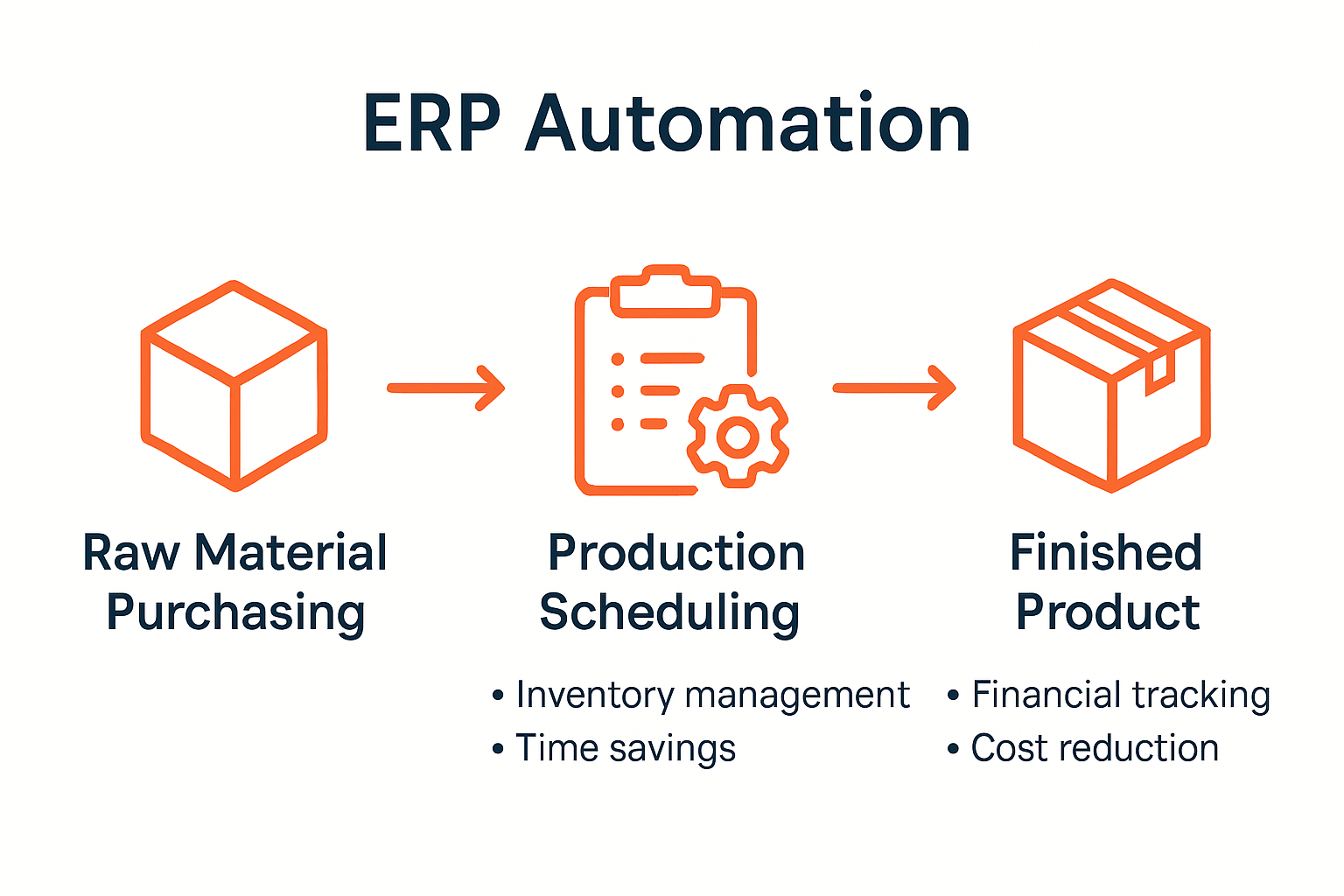

          Do not let inefficiencies and indecision slow you down. Contact our expert team today to book your personalized automation assessment or learn more about our advanced manufacturing ERP solutions. Now is the time to future-proof your operations and secure long-term manufacturing success.

          Article generated by BabyLoveGrowth

          Top Benefits of ERP Systems for Manufacturing in 2025

          Supercharge Manufacturing Success with Odoo manufacturing ERP

          Manufacturing is stepping into a new era where efficiency can make or break a company. The numbers are stunning—modern ERP systems can reduce operational costs by up to 23 percent and boost on-time deliveries by nearly 24 percent. Most people focus on software as just another business upgrade. The real surprise is how these systems completely transform daily decision-making, slashing waste and putting control back in your hands.

          Table of Contents

          Quick Summary

          Takeaway Explanation
          ERP systems centralize manufacturing operations These systems integrate various business functions, resulting in improved communication and operational visibility across departments.
          Automation reduces costs and errors ERP systems automate workflows, minimizing reliance on manual processes and enhancing efficiency in operations.
          Real-time data enhances decision-making Access to live data allows managers to track performance and make informed strategic choices quickly.
          ERP supports compliance and scalability These systems automate regulatory compliance processes and provide flexible infrastructure that adapts to business growth.
          Predictive analytics drives proactive management Advanced analytics capabilities help anticipate challenges and optimize resource allocation before problems arise.

          How ERP Systems Streamline Manufacturing Operations

          Manufacturing operations are complex ecosystems requiring precise coordination across multiple departments. ERP systems transform this complexity by creating a unified digital infrastructure that connects every aspect of production, inventory, and resource management.

          Integrated Business Process Management

          Traditional manufacturing environments often suffer from fragmented communication and siloed data systems. Our comprehensive ERP guide reveals how modern ERP solutions break down these barriers. According to Enterprise Wired, ERP systems integrate critical business functions such as inventory management, production planning, supply chain management, and financial tracking into a centralized platform.

          This integration enables real-time data synchronization across departments. Imagine a scenario where a production delay in one section automatically triggers adjustments in inventory management, procurement, and shipping schedules. Manufacturers gain unprecedented operational visibility, allowing instant communication and rapid response to changing market conditions.

          Automated Workflow Optimization

          Manufacturing efficiency hinges on eliminating manual processes and reducing human error. ERP systems achieve this through advanced automation capabilities. NetSuite confirms that modern ERP solutions unify core business functions, dramatically decreasing reliance on manual data entry and paper-based tracking.

          Automation extends beyond simple record-keeping. Smart ERP platforms can predict maintenance needs, optimize resource allocation, and generate predictive analytics that help managers make data-driven decisions. Production managers receive instant alerts about potential bottlenecks, equipment maintenance requirements, and inventory shortages before they become critical issues.

          Enhanced Decision Making Through Real-Time Insights

          Data is the cornerstone of modern manufacturing strategy. ERP systems transform raw operational data into actionable intelligence. According to Wikipedia’s Enterprise Resource Planning overview, these systems centralize business information, making real-time data accessible to management anywhere and anytime.

          By providing a comprehensive enterprise view, ERP platforms enable leadership to track key performance indicators, monitor production efficiency, and quickly identify areas requiring strategic intervention. Managers can compare historical performance metrics, analyze current operational trends, and make informed decisions that drive continuous improvement and competitive advantage.

          The future of manufacturing lies not just in production capabilities, but in intelligent, interconnected systems that transform data into strategic opportunities. ERP systems represent this transformative technology, offering manufacturers a powerful tool to streamline operations, reduce costs, and maintain a competitive edge in an increasingly complex global marketplace.

          To help clarify the main ways ERP streamlines manufacturing operations, the following table summarizes key ERP features and the operational benefits they deliver:

          ERP Feature Operational Benefit
          Integrated Process Management Real-time data synchronization and improved cross-department visibility
          Automated Workflow Optimization Reduced manual errors and faster, more efficient operations
          Predictive Maintenance Alerts Fewer unplanned downtimes and better equipment utilization
          Instant Performance Dashboards Immediate insight into production and inventory status
          Unified Communication Platform Faster response to production changes and market dynamics

          Boosting Profitability and Cost Control With ERP

          In the competitive manufacturing landscape, profitability is not just about increasing revenue but strategically managing costs and optimizing resource allocation. ERP systems emerge as powerful financial management tools that transform cost control from a reactive process to a proactive strategic advantage.

          Comprehensive Financial Resource Tracking

          Modern manufacturers require granular insights into their financial operations. Our AI-powered ERP solutions enable precise tracking of business resources across multiple dimensions. According to Materials Today: Proceedings, ERP systems provide managers with comprehensive data integration, tracking supply chains, requests, scheduling, and inventory in real-time.

          These systems capture detailed financial information that goes beyond traditional accounting. By monitoring cash flow, raw material expenses, production capacity, and operational overhead, manufacturers gain unprecedented visibility into their financial ecosystem. This transparency allows leadership to identify inefficiencies, eliminate unnecessary expenditures, and make data-driven financial decisions.

          Automated Cost Reduction Strategies

          Manual cost management processes are inherently prone to errors and inefficiencies. Wikipedia’s Enterprise Resource Planning overview highlights how ERP systems track business resources and manage complex organizational commitments, facilitating seamless information flow between different business functions.

          Automation becomes a critical cost-reduction lever. ERP platforms can automatically flag potential cost overruns, optimize inventory levels, and recommend procurement strategies that minimize waste. Manufacturers can set predefined financial thresholds, enabling the system to generate alerts and suggest corrective actions before minor inefficiencies escalate into significant financial challenges.

          Strategic Performance Optimization

          ERP-driven manufacturing cost control process infographic

          Beyond immediate cost control, ERP systems provide strategic tools for long-term profitability enhancement. Manufacturing Execution Systems integrated with ERP platforms create flawless manufacturing processes with real-time performance feedback.

          These advanced systems deliver measurable benefits such as reduced waste, minimized rework, and decreased production downtime. By capturing accurate cost information and providing predictive analytics, manufacturers can continuously refine their operational strategies. The result is a dynamic approach to profitability that adapts quickly to market changes, technological advancements, and evolving business requirements.

          The future of manufacturing profitability lies in intelligent, interconnected systems that transform raw financial data into actionable strategic insights. ERP solutions represent more than technological tools they are comprehensive financial management platforms that empower manufacturers to control costs, optimize resources, and drive sustainable growth in an increasingly complex global marketplace.

          Below is a summary table outlining how ERP supports profitability and cost control across multiple manufacturing dimensions:

          Profitability Lever ERP-Driven Actions
          Financial Resource Tracking Real-time cash flow, inventory, and supply chain monitoring
          Automated Cost Reduction Inventory optimization, procurement strategy, alert triggers
          Performance Optimization Feedback-driven process improvement, reduced downtime
          Data Transparency Identify inefficiencies and eliminate unnecessary expenses
          Predictive Analytics Forecast cost overruns and optimize resource allocation

          Enhancing Decision-Making Through Real-Time Data

          In the rapidly evolving manufacturing landscape, decision-making speed and accuracy determine competitive advantage. ERP systems revolutionize this process by transforming raw data into actionable intelligence, enabling manufacturers to make informed strategic choices in real-time.

          Integrated Data Visualization and Reporting

          Traditional decision-making processes were often hindered by fragmented information and delayed reporting. According to a research study in the Taiwan semiconductor industry, integrating ERP with Business Intelligence systems dramatically enhances organizational performance by providing instantaneous data access across multiple departments.

          Modern ERP platforms offer comprehensive dashboards that consolidate complex operational metrics into intuitive visual representations. Managers can instantly view production efficiency, inventory levels, supply chain performance, and financial indicators. These integrated visual tools eliminate the need for manual data compilation, reducing human error and accelerating decision-making processes.

          Predictive Analytics and Proactive Management

          manufacturing real time data

          Enterprise resource management research confirms that ERP systems provide real-time visibility into critical business data, enabling managers to anticipate challenges before they emerge. By leveraging advanced analytics, manufacturers can transform reactive management into proactive strategy development.

          Predictive modeling within ERP systems can forecast potential bottlenecks, predict maintenance requirements, and simulate various operational scenarios. This capability allows leadership to develop contingency plans, optimize resource allocation, and mitigate risks before they impact productivity. The ability to model multiple potential outcomes provides a strategic advantage in an increasingly complex manufacturing environment.

          Data-Driven Sustainability and Efficiency

          A groundbreaking case study on lean and smart manufacturing demonstrates how data-driven decision-making systems enhance productivity and sustainability by systematically eliminating waste and optimizing resource utilization.

          ERP systems enable manufacturers to track and analyze environmental impact, energy consumption, and resource efficiency with unprecedented granularity. By providing detailed insights into operational performance, these platforms support strategic decisions that balance economic objectives with sustainable practices. Manufacturers can now align financial goals with environmental responsibility, creating a holistic approach to business management.

          The future of manufacturing decision-making lies not just in collecting data, but in transforming that data into strategic intelligence. ERP systems represent a technological breakthrough that empowers manufacturers to move beyond traditional reporting, offering a dynamic, forward-looking approach to business management. By providing real-time, comprehensive insights, these systems enable leaders to navigate complexity, respond to market changes, and drive continuous improvement with confidence and precision.

          Meeting Compliance and Scaling for Growth

          In the complex world of manufacturing, growth and regulatory compliance are not just parallel challenges but deeply interconnected strategic imperatives. ERP systems emerge as critical technological solutions that simultaneously address scalability requirements and intricate compliance landscape while positioning businesses for sustainable expansion.

          Regulatory Compliance Automation

          Manufacturers face an increasingly complex web of regulatory requirements spanning environmental standards, labor regulations, quality control, and industry-specific mandates. According to the US Chamber of Commerce, ERP systems enhance compliance by automating processes and providing real-time data that enables businesses to meet regulatory requirements efficiently.

          These advanced systems create comprehensive audit trails, documenting every operational transaction with precision. By maintaining detailed records of production processes, material sourcing, quality inspections, and workforce activities, manufacturers can demonstrate regulatory adherence transparently. Automated compliance tracking reduces human error, minimizes legal risks, and provides management with instant visibility into potential compliance gaps.

          Scalable Infrastructure for Business Growth

          IBM’s enterprise insights highlight how ERP systems offer unparalleled scalability by integrating various business functions, allowing organizations to adapt and grow without significant system overhauls. As manufacturers expand operations, enter new markets, or diversify product lines, ERP platforms provide a flexible technological foundation.

          Scalability goes beyond mere system capacity. Modern ERP solutions are designed with modular architectures that enable businesses to add functionalities seamlessly. Whether expanding production lines, incorporating new supply chain partners, or entering international markets, manufacturers can incrementally enhance their ERP systems without disrupting existing operations. This adaptability becomes a strategic asset in a rapidly changing global manufacturing landscape.

          Centralized Data Management and Enterprise Visibility

          Wikipedia’s Enterprise Resource Planning overview emphasizes how ERP systems centralize business data, providing a comprehensive enterprise view and facilitating real-time information access for management. This centralization becomes crucial when navigating growth and compliance challenges.

          By consolidating data from multiple departments and operational units, ERP platforms create a single source of truth. Leadership can track performance metrics, monitor compliance indicators, and make strategic decisions with unprecedented clarity. The ability to generate instantaneous reports across different organizational dimensions enables proactive management, risk mitigation, and strategic planning.

          The future of manufacturing lies in technological solutions that do more than manage current operations. ERP systems represent a strategic investment that transforms compliance from a potential burden into a competitive advantage. By providing robust, scalable infrastructure that adapts to changing business needs, these platforms empower manufacturers to grow confidently, maintain regulatory integrity, and navigate the complexities of a dynamic global marketplace.

          Frequently Asked Questions

          What are the main benefits of ERP systems for manufacturing?

          ERP systems streamline operations by integrating various business functions, automating workflows, enhancing decision-making with real-time insights, supporting compliance, and facilitating scalability for growth.

          How do ERP systems reduce operational costs in manufacturing?

          Modern ERP systems can reduce operational costs by automating manual processes, minimizing errors, and providing comprehensive financial resource tracking, which helps identify inefficiencies and eliminate unnecessary expenses.

          How do ERP systems enhance decision-making in manufacturing?

          ERP systems provide real-time data visibility and analytics, enabling manufacturers to make informed strategic decisions quickly by tracking key performance indicators and projecting future operational trends.

          Why is regulatory compliance important for manufacturers using ERP systems?

          ERP systems automate compliance processes, ensuring adherence to industry regulations by maintaining detailed records and creating audit trails, which reduce the risk of legal issues and enhance operational transparency.

          Supercharge Manufacturing Success With the Most Awarded Odoo ERP Partner

          If outdated processes, fragmented data, or manual tasks are slowing down your manufacturing operations, now is the time to act. The article explains how integrated ERP systems can revolutionize cost control, deliver real-time data, and ensure effortless compliance. But even with these facts in mind, many manufacturers struggle to choose a trusted partner who truly knows how to deliver results tailored to your industry and growth plans.


          Supercharge Manufacturing Success with Odoo manufacturing ERPBista Solutions is the leading Odoo ERP implementation provider in North America, named Odoo Best Partner in North America for several years running. Our team has delivered over 350 successful projects for manufacturers just like you, helping to eliminate silos, automate workflows, and provide crystal-clear insights across your entire business. If you are ready to streamline operations and scale with confidence, visit Bista Solutions now. Speak with one of our ERP experts or learn more from our comprehensive ERP guide. Don’t wait for inefficiencies and missed opportunities to hold you back. Future-proof your business today.
          Article generated by BabyLoveGrowth

          Odoo ShipStation Integration

          Odoo ShipStation Integration

          Odoo and ShipStation Integration:

          Streamline Your Shipping Operations with Bista

          Odoo is a robust, open-source ERP platform that enables businesses to manage a wide array of operations, including sales, inventory, accounting, CRM, and more, all within a unified system. ShipStation is a trusted, cloud-based shipping solution used by thousands of eCommerce retailers to manage and fulfill orders efficiently across multiple carriers.

          When you integrate Odoo with ShipStation, you connect your backend business processes with a powerful shipping engine. This integration eliminates redundant manual tasks, minimizes errors, accelerates order fulfillment, and provides a seamless experience for both your team and your customers.

          What Does the Integration Offer?

          • Automatic Order Syncing

          Orders created in Odoo are automatically pushed to ShipStation, eliminating the need for manual data entry. This ensures that every order is captured promptly and accurately for fulfillment, reducing the risk of errors or delays.

          • Real-Time Shipping Rates

          You can view and compare shipping rates from a variety of carriers such as FedEx, UPS, USPS, and DHL, all within your Odoo interface. By accessing real-time rates, you can make cost-effective shipping decisions on the spot.

          • One-Click Shipping Label Generation

          Generate and print shipping labels directly from Odoo using ShipStation’s capabilities. This simple process significantly speeds up your fulfillment workflow and reduces the need to switch between platforms.

          • Shipment Tracking Updates

          Once a shipment is processed in ShipStation, the tracking number is automatically synced back to Odoo. This information can be used to update customers in real time, reducing support requests and enhancing the post-purchase experience.

          • Multi-Carrier Support

          ShipStation supports a broad range of domestic and international carriers. Through this integration, you can manage multiple shipping partners seamlessly without altering your backend configuration.

          Key Benefits of the Odoo-ShipStation Integration

          • Reduced Manual Work: Automate data flow between systems to eliminate time-consuming tasks and minimize human error.
          • Faster Order Fulfillment: Syncing, labeling, and tracking happen in one unified workflow, allowing your team to ship faster.
          • Lower Shipping Costs: Access and compare real-time shipping rates to choose the most affordable option every time.
          • Enhanced Customer Experience: Provide accurate tracking and faster deliveries, keeping your customers informed and satisfied.
          • Centralized Workflow: Manage your entire shipping process without leaving the Odoo environment.

          Integration Setup: How to Get Started

          Integrating Odoo with ShipStation can be accomplished through a connector module, either custom-built or available through the Odoo App Store or third-party developers. Here is a general outline of what the process looks like:

          • Install the Odoo-ShipStation Connector
            You can find pre-built connector modules that support API integration. Make sure the version matches your Odoo installation.
          • Connect Your ShipStation Account
            Within the module settings, you will be prompted to enter your ShipStation API key and secret. These are found in your ShipStation account under Account Settings > API Settings.
          • Configure Carrier and Shipping Rules
            Map your preferred shipping carriers, service levels, and label printing defaults. This step ensures consistency across both platforms.
          • Sync Test Orders
            Create a few test orders in Odoo and verify that they appear correctly in ShipStation. You should be able to generate labels and receive tracking information in return.
          • Enable Live Operations
            Once testing is successful, you can enable the integration for real-time order processing.

          It’s recommended to work with an experienced Odoo developer or integration partner to customize the setup if your business has specific needs or workflows.

          Use Cases Across Industries

          This integration is especially valuable for:

          • E-commerce businesses that ship daily across multiple sales channels
          • Wholesale distributors managing bulk orders and complex shipping logistics
          • Retailers with hybrid online and offline operations who require unified fulfillment
          • Subscription-based companies are automating monthly or recurring shipments

          Why Choose Bista Solutions for Your Odoo-ShipStation Integration?

          At Bista Solutions, we specialize in building seamless Odoo integrations tailored to your business needs. As a 7-time Odoo Best Partner across North America, we have helped hundreds of businesses optimize their operations through smart ERP strategies, custom development, and end-to-end support.

          Our team understands the complexities of both Odoo and ShipStation, and we don’t just connect systems. We design intelligent workflows that work for your business. Whether you’re looking to reduce shipping time, automate multi-channel order management, or improve customer satisfaction, we offer a proven path to implementation that delivers measurable results.

          Why partner with Bista Solutions?

          • 7-time Odoo Best Partner Award Winner in North America
          • Deep expertise in Odoo ERP and third-party logistics integrations
          • Proven track record with eCommerce, retail, distribution, and manufacturing clients
          • Dedicated support, post-launch training, and ongoing optimization
          • Customizable solutions tailored to your unique shipping and fulfillment needs

          If you’re ready to streamline your shipping and unlock the full power of Odoo, let Bista Solutions guide your integration from start to finish.

          Contact us today to schedule a consultation or demo and see how easy, fast, and impactful this integration can be.

          Odoo & Hubspot Connector

          Odoo & HubSpot Connector

          Odoo and HubSpot Integration:

          Unify Your Sales, Marketing, and CRM Workflows

          When sales and marketing operate in silos, valuable opportunities often go unnoticed or unaddressed. But when these teams are aligned, growth becomes more predictable, customer experiences improve, and conversion rates rise. If your business relies on Odoo to manage backend operations and HubSpot to engage with prospects and customers, integrating the two can be a true game-changer. It allows you to capture leads at the right moment, track every interaction, and move opportunities through your pipeline with greater speed and clarity.

          Together, Odoo and HubSpot close the gap between customer-facing activity and internal execution. This integration enables a real-time, bi-directional flow of data between teams, ensuring that no lead is left behind and every department works from the same up-to-date information. With better visibility comes better coordination, faster response times, and a more cohesive customer journey from first touch to final sale.

          What Is the Odoo-HubSpot Integration?

          Odoo is a flexible, open-source ERP system known for its modular structure, which includes Sales, CRM, Inventory, Accounting, HR, and more. It provides businesses with a scalable, centralized hub for managing day-to-day operations.

          HubSpot is a leading CRM and inbound marketing automation platform. It helps businesses attract, engage, and retain customers through content marketing, lead nurturing, email campaigns, and advanced reporting.

          By integrating these two platforms, you can create a powerful business ecosystem that combines operational control with intelligent customer engagement. The result is a real-time, 360-degree view of every customer, lead, and opportunity.

          Key Features of the Odoo–HubSpot Integration

          1. Bi-Directional Contact Sync: Contacts are automatically synced between Odoo and HubSpot in real time. Whether a contact is updated in HubSpot or Odoo, both platforms reflect the change immediately. This eliminates data silos, reduces duplication, and keeps your records clean and current.
          1. Automated Lead Capture: Leads generated through HubSpot forms, advertising campaigns, or landing pages are instantly pushed into Odoo as CRM leads or opportunities. This ensures faster follow-up, better lead qualification, and zero risk of losing potential customers.
          1. Deal and Pipeline Synchronization: Sales deals created in HubSpot can be tracked and mapped within Odoo’s sales pipeline. Your team can manage quotations, invoicing, and product delivery from a single platform, allowing marketing and sales to operate in sync.
          1. Marketing Insights in Odoo: Email engagement metrics, campaign performance data, and contact interaction history from HubSpot are available directly in Odoo. Sales teams gain valuable marketing context about leads, helping them tailor their communication and close deals more effectively.
          1. Custom Workflow Automation: Trigger workflows in Odoo based on specific HubSpot activities. For example, you can automatically create a sales order when a deal is marked as won in HubSpot or assign leads to specific sales reps once a lead reaches a certain score. These automations reduce manual work and improve response time.

          Business Benefits of the Integration

          • Improved Lead Management: Capture, qualify, and convert leads faster with unified visibility across platforms.
          • Single Source of Truth: Enjoy a consolidated customer view across marketing and sales, leading to more consistent and informed communication.
          • Reduced Manual Entry: Automated data syncing eliminates manual input errors and repetitive admin tasks.
          • Boosted Team Productivity: Save hours by streamlining your sales and marketing workflows.
          • Smarter Decision-Making: Access real-time data and centralized reporting to make more strategic business decisions.

          Why Choose Bista Solutions for Your Odoo–HubSpot Integration?

          At Bista Solutions, we specialize in designing intelligent Odoo integrations that align with your unique business goals. As a 7-time Odoo Best Partner across North America, we have the experience and technical expertise to ensure your Odoo–HubSpot integration is efficient, scalable, and future-ready.

          We go beyond just connecting systems. We build custom solutions that support your sales and marketing strategy, improve operational transparency, and deliver real business impact.

          Why partner with Bista Solutions?

          • 7-time Odoo Best Partner Award Winner in North America
          • Proven experience with CRM, ERP, and marketing automation platforms
          • Deep understanding of sales funnels, customer journeys, and pipeline management
          • Full-service support: from consultation and integration to post-launch training
          • Ability to tailor workflows and automation rules specific to your business needs
          • And so much more–just ask!

          If your organization is ready to unify its marketing and sales operations, streamline data sharing, and enhance customer engagement, Bista Solutions is here to help.

          Contact us today to schedule a consultation and discover how Odoo and HubSpot can work better together for your business.

          DCAA Compliance in Odoo ERP

          DCAA Compliance
          • by Uzlifat Mir
          • Jul 21, 2025
          • 0
          • Category:

          DCAA Compliance in Odoo ERP:

          How Bista Solutions Helps You Meet Government Contracting Standards

          For companies pursuing or managing contracts with the U.S. Department of Defense (DoD) or other federal agencies, achieving DCAA compliance is a priority. The Defense Contract Audit Agency (DCAA) is responsible for auditing contractors to ensure that government funds are used appropriately and transparently. To pass a DCAA audit, businesses must have a financial and operational system that adheres to specific requirements for cost tracking, timekeeping, audit trails, and reporting.

          Odoo ERP is a powerful and flexible platform, but it is not DCAA-compliant out of the box. Achieving compliance requires thoughtful configuration, process design, and in many cases, custom development. At Bista Solutions, we specialize in tailoring Odoo to meet complex industry needs, including the exacting standards of DCAA compliance. With our deep technical expertise and industry knowledge, we can transform Odoo into a fully audit-ready system for federal contractors.

          Understanding DCAA Compliance

          DCAA compliance does not refer to a certification or product label. Rather, it reflects whether your company’s accounting system and internal controls are capable of supporting the audits and requirements imposed by the federal government.

          Some of the key requirements include:

          • Accurate segregation of direct and indirect costs
          • Project-level accounting and cost tracking
          • Labor distribution based on timesheet data
          • Strict timekeeping protocols with daily entries and approval workflows
          • Proper handling of provisional billing rates
          • Comprehensive and unalterable audit trails
          • Enforced separation of duties and access control

          Failing to meet these standards can result in rejected invoices, suspended payments, or disqualification from future government contracts.

          Why Odoo for DCAA Compliance?

          While Odoo is not DCAA-certified by default, it has the core capabilities and modular flexibility to meet compliance requirements when implemented correctly. Its strengths include:

          • A fully integrated accounting and project management system
          • Highly configurable timekeeping and labor cost management
          • Support for analytic accounts, cost centers, and billing rules
          • Role-based access control and workflow approvals
          • Custom report generation for audits and internal reviews

          However, to meet DCAA expectations, Odoo must be extended and aligned with industry best practices. This is where Bista Solutions comes in.

          How Bista Solutions Makes Odoo DCAA-Compliant

          At Bista Solutions, we understand both Odoo’s architecture and the regulatory requirements of DCAA compliance. Our approach is built on experience with government contractors and a clear understanding of audit-readiness.

          Here are the key areas we address:

          1. Timekeeping System Design

          We configure Odoo Timesheets to meet DCAA’s expectations:

          • Require daily entry of hours worked
          • Track who entered and modified each time entry
          • Provide a full audit trail of timekeeping activities
          • Implement manager approvals before timesheets are posted
          • Enforce restricted backdating and late modifications

          If needed, we develop custom timekeeping modules or integrate with third-party compliant solutions while maintaining seamless data flow into Odoo’s Accounting and Payroll apps.

          2. Cost Segregation and Labor Distribution

          Using analytic accounts and analytic tags, we create a clear segregation of:

          • Direct costs tied to specific contracts or projects
          • Indirect costs are pooled into overhead accounts
          • Labor costs based on real-time timesheet data

          We ensure that payroll entries are distributed across projects accurately and can support labor distribution reporting, a key DCAA requirement.

          3. Project-Based Billing

          For clients operating under cost-plus, time and materials, or fixed-price contracts, we configure billing rules and templates that align with FAR (Federal Acquisition Regulation) standards. Our implementations can also:

          • Calculate and apply provisional billing rates
          • Enforce billing ceilings per contract
          • Track unbilled costs and funding limitations

          4. Audit Trail and Data Integrity

          DCAA auditors expect a non-editable record of financial activity. We implement solutions that:

          • Track and log all changes to financial data
          • Prevent unauthorized editing or deletion of journal entries
          • Capture user IDs and timestamps on all key actions
          • Provide secure, historical access to accounting records

          We may deploy OCA auditlog modules or develop custom logging layers depending on your version of Odoo and infrastructure preferences.

          5. Separation of Duties and Access Control

          To comply with DCAA’s internal control standards, we design user roles and workflows that:

          • Separate data entry, review, and approval responsibilities
          • Prevent conflicts of interest
          • Limit access to sensitive records based on user role
          • Support traceability of all transactions

          6. Reporting and Readiness for Audit

          We help prepare your Odoo system for DCAA audits by:

          • Creating custom reports that meet auditor expectations
          • Documenting processes and internal control workflows
          • Training staff on compliant system usage
          • Supporting mock audits and real-time audit response

          Why Choose Bista for DCAA Compliance in Odoo?

          When you work with Bista Solutions, you gain access to:

          • An experienced Odoo Gold Partner with hundreds of successful implementations
          • A cross-functional team of ERP consultants, developers, and financial experts
          • Proven strategies for aligning ERP systems with federal contracting standards
          • Long-term support for system updates, audits, and evolving compliance needs

          We do more than implement software; our team delivers strategic systems that position your business for success in regulated environments.

          DCAA compliance is a serious undertaking, but with the right partner, it becomes an opportunity to improve accountability, gain new contracts, and operate at a higher standard. Odoo, when properly implemented and supported, can fully meet DCAA requirements.

          At Bista Solutions, we have the expertise to guide you through that journey, every step of the way.

          Want to learn how we can help make your Odoo ERP system DCAA-compliant and audit-ready? Contact us for a free consultation

          Streamline Odoo ERP Implementation with Visual Modeling Tools

          Mastering Odoo/ERP Implementation with Visual Modeling

          Blueprint for Success: Mastering  Odoo/ERP Implementation with Visual Modeling

          Implementing an Enterprise Resource Planning (ERP) system like Odoo is a significant undertaking that promises to streamline operations, boost efficiency, and provide a unified view of your business.  The path to a successful ERP implementation often comes with challenges, including scope creep, budget overruns, and low user adoption. 

          The root cause of these issues frequently lies in a rush to customize and develop without a clear and shared understanding of the business processes and system architecture.

          This is where visual modeling languages come into play. Business Process Model and Notation (BPMN), the C4 model, and Unified Modeling Language (UML), organizations can lay a robust foundation for their ERP project. These tools provide a blueprint that aligns business stakeholders with technical teams, ensuring that the final system is a true reflection of the organization’s needs. The cornerstone of this approach is a simple but powerful philosophy: design your processes first. Instead of talking about so many of them, let’s focus on a few that are useful to end clients and the PM who is leading the implementation. This will be useful to cascade into technical diagrams to software developers too.

          The “Process First” Imperative

          Before a single line of code is written or a module is configured in Odoo, it’s crucial to understand and refine your business processes. Jumping directly into development is like building a house without a blueprint. You might end up with a functional structure, but it’s unlikely to be efficient, meet the needs of its inhabitants, or be easily adaptable for the future.

          Starting with process design offers several key advantages:

          • Clarity and Alignment: It forces stakeholders from different departments to collaboratively map out their current workflows (“as-is”) and design optimized future-state workflows (“to-be”). This uncovers hidden inefficiencies and builds consensus on how the business should operate.
          • Accurate Requirements: A well-defined process map is the best source of requirements for your ERP system. It clearly articulates what the system needs to do, for whom, and in what sequence, dramatically reducing guesswork and ambiguity.
          • Reduced Rework: Identifying gaps between your desired processes and Odoo’s standard functionality early on, you can make informed decisions about customization. This prevents costly rework and ensures that customizations provide genuine value.
          • Improved User Adoption: When users are involved in designing the processes that the ERP will support, they feel a sense of ownership and are more likely to embrace the new system.

          C4 Model: Architecting the Big Picture

          Once you have a clear understanding of your business processes, you need to see how your ERP system will fit into your overall IT landscape. This is where the C4 model comes into its advantage. It provides a way to visualize a software system’s architecture at different levels of detail, making it easy for both technical and non-technical audiences to understand.

          The C4 model consists of four levels, but here we shall only consider Levels 1 and 2:

          1. Context (Level 1): This high-level diagram shows your Odoo system as a single box, illustrating how it interacts with users and other external systems (e.g., e-commerce platforms, bank APIs, or shipping providers).
          2. Containers (Level 2): This level breaks down the Odoo system into its major “containers,” such as the web application, the database, and any custom microservices. It shows how these parts communicate with each other. 

          For an Odoo implementation, the C4 model helps to answer critical architectural questions, such as how custom applications will integrate with the core Odoo system or how data will flow between Odoo and other enterprise applications. 

          Streamline Odoo ERP Implementation with Visual Modeling Tools

          Example: The sample diagram is made with PlantUML, but can still be made with any modeling tool, as long as the notation standard and C4 model guidelines. A brief to the client will be useful. It is advisable to employ PlantUML or any modeling tool to create the diagram, ensuring adherence to standard notation and C4 model guidelines. A client briefing would also be beneficial.

          BPMN: Visualizing Your Business Workflows

          Business Process Model and Notation (BPMN) is the starting point of the “process first” approach. It’s essentially a standardized flowcharting language designed specifically for business processes, making it accessible to both business analysts and managers.

          In case of an Odoo implementation, BPMN is used to:

          • Map Existing Processes: Documenting the current “as-is” state of processes like “procure-to-pay” or “order-to-cash” helps identify pain points and opportunities for improvement.
          • Design Future Processes: Collaboratively design the ideal “to-be” processes that will be supported by Odoo. This visual representation is far more effective than lengthy text documents for communicating and refining workflows.
          • Gap Analysis: Comparing the “to-be” process models with Odoo’s out-of-the-box capabilities, you can pinpoint exactly where customizations are needed. For instance, if your designed approval workflow for purchase orders has more complex rules than what Odoo offers by default, this gap is identified early.

          Mastering Odoo/ERP Implementation with Visual Modeling

          Example: A simple BPMN diagram for a sales process might show the sequence of events from receiving a customer inquiry to creating a quotation, confirming the sale, and generating an invoice, clearly defining the roles and responsibilities at each stage. This BPMN diagram is generated using PlantUML, but it can be done using any process modeling tool, like Lucidchart, but the ability to customize and make quick changes is very important. A representative BPMN diagram for a sales process could illustrate the sequential progression from customer inquiry reception to quotation creation, sale confirmation, and invoice generation. This diagram would delineate the roles and responsibilities inherent to each phase. While this example was generated using PlantUML, any process modeling tool, such as Lucidchart, may be employed. The capability for customization and rapid modification is paramount.

          UML: Detailing the Technical Solution

          With the business processes mapped out in BPMN and the system architecture defined with the C4 model, it’s time to drill down into the technical details. Unified Modeling Language (UML) provides a suite of diagrams for specifying, visualizing, and documenting the design of software systems.

          In the context of Odoo customization, some of the most useful UML diagrams include:

          Use Case Diagrams: These describe how different users (actors) will interact with the system to achieve a specific goal. For example, a “Sales Manager” actor might have use cases like “Approve a Quotation” or “Generate a Sales Report.” There are several UML diagrams that support better development, but one that shows interaction among different actors in the system is very important for developers and implementers.

          Sequence Diagrams: These diagrams are excellent for modeling complex logic. They show the step-by-step sequence of interactions between different objects or components to complete a specific task, such as the logic behind a custom pricing rule or a complex inventory validation process.

          https://www.bistasolutions.com/quality-management-system-implementation-with-odooThe provided sample diagram, while currently generated using PlantUML, can be constructed with any modeling tool, provided standard notation is employed and UML guidelines are adhered to. A concise explanation of the diagram for the client would be beneficial.

          A Synergistic Workflow for Success

          These three modeling techniques are not used in isolation; they work together in a seamless flow from high-level business strategy to detailed technical implementation:

          1. Start with the C4 model to establish the high-level architecture and see how the Odoo solution fits within the broader enterprise context.
          2. Detail with BPMN to understand and define the business needs. This ensures that the project is grounded in business reality.
          3. Employ UML diagrams to translate the process requirements and architectural decisions into detailed technical designs that developers can build upon.

          Investing the time to model your processes and system design upfront, you de-risk your Odoo or ERP implementation project significantly. This structured, visual approach fosters clear communication, ensures stakeholder alignment, and ultimately delivers a system that is not just technically sound but also a powerful engine for your business’s growth.

          Click here to schedule a free consultation with us for detailed information.